


Summary
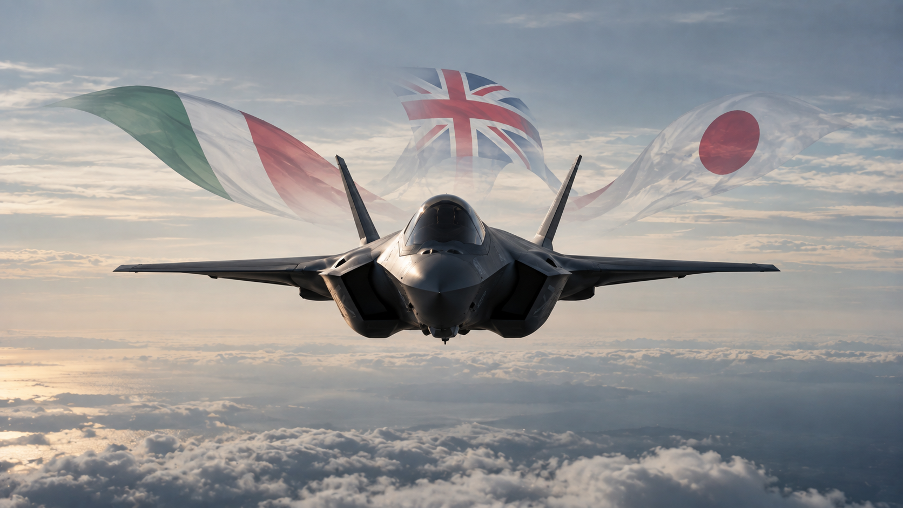
● In the GCAP deal Italy, the UK and Japan combine their technological expertise while sharing the costs and risks of developing a next-generation fighter
● The three countries operate in different regions but their maritime geography creates similar needs
● Funding, political support and cooperation between the three will be crucial if the aircraft is to enter service from 2035
Key Facts
The Global Combat Air Programme (GCAP) was launched by Italy, the United Kingdom and Japan in December 2022 to develop a sixth-generation combat aircraft supposed to enter service from 2035. The programme brings together two previously separate efforts to develop future combat aircraft: the UK-Italian Tempest programme and Japan’s F-X programme. Rather than continuing with these projects separately, the three countries agreed to combine their efforts under GCAP.
The programme is managed at the governmental level by the GCAP International Government Organisation (GIGO), an intergovernmental organisation established by the three countries. The aircraft’s industrial development, meanwhile, is led by Edgewing, a separate joint venture established by BAE Systems, Leonardo and the Japan Aircraft Industrial Enhancement Co. (JAIEC). The programme entered a new phase in July 2026, when GIGO awarded Edgewing a £4.6 billion contract to advance the next stage of the aircraft’s design and development, making sure it can enter into service by 2035.
If we look at the GCAP deal from a geopolitical perspective, we might ask ourselves: why exactly have Italy, the UK and Japan chosen each other for one of their most important future military programmes, and what holds this partnership together?
