


US assistance to Ukraine could be exactly what the cryptic phrase “critical, but limited support” means in practice
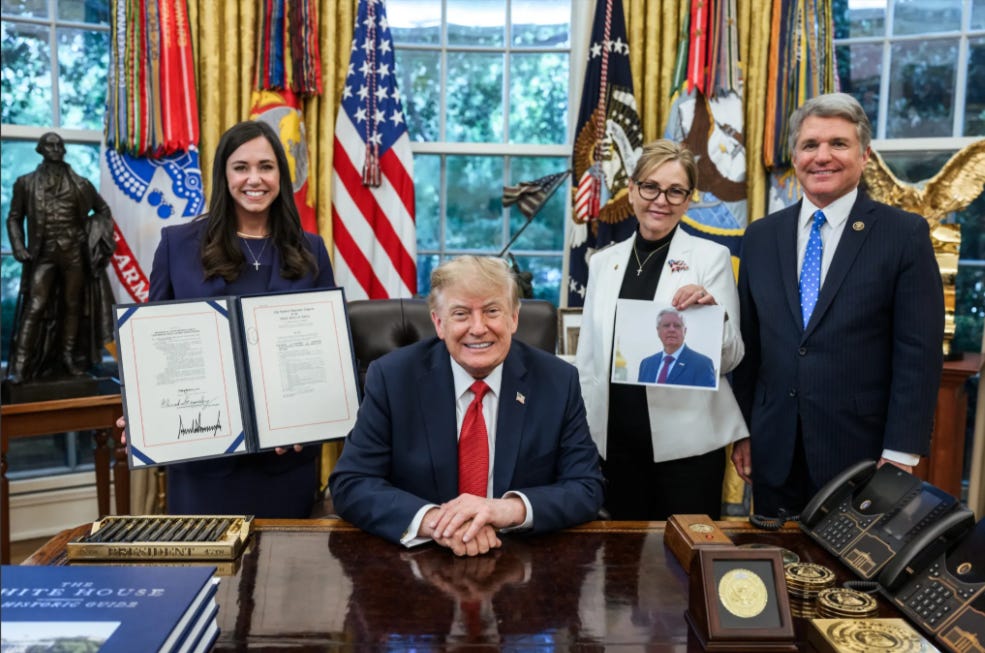
On 18 September 2026, US President Donald Trump signed a far-reaching new sanctions package aimed at Russia into law, shortly after it received bipartisan backing in both houses of Congress. The Lindsey O. Graham Sanctioning Russia and Iran Act of 2026 was named in honour of the late Republican senator Lindsey Graham, who died in July 2026. It gives the President the means to impose sanctions on Russian President Vladimir Putin and other senior government officials and military leaders, like freezing US-based assets, revoking US visas, or denying entry into the United States.
The Act further prohibits “the export, reexport, or in-country transfer to or in Russia of any U.S.-produced energy or energy products and U.S. persons from making new investments in Russia or purchasing Russian sovereign debt.” It also enables the President to impose tariff increases of up to 100% “on goods from the five largest importers of Russian crude oil or natural gas”. With this provision, the Act directly could hit, among others, China and India, which are by far the main importers of Russian crude oil. By putting pressure on these Asian giants, the US can persuade Beijing and New Delhi to use their influence in Moscow to force Putin to the negotiating table, although that is the rationale behind it.
But the devil is in the details. Forced by the Republican majority in Congress, the Act provides the President with broad authority to waive the sanctions, restrictions, and tariffs. This makes it essentially a toolbox he can choose to use, or not. Raising tariffs on Chinese and Indian goods because of their buying of Russian oil is a major and escalatory step. Such action would inevitably increase prices for consumer goods in the US. So, with the midterms in sight, it remains to be seen how quickly, or at all, Trump will take concrete action. This makes the actual effect of this Act hard to predict.
However, the quick approval of this potentially powerful new sanctions package can be seen as yet another sign that the best days of the Trump-Putin relation are over. Besides that, it is also an indicator that both Congress and the White House are still willing to provide support to Ukraine in its defence against Russia’s war of aggression.
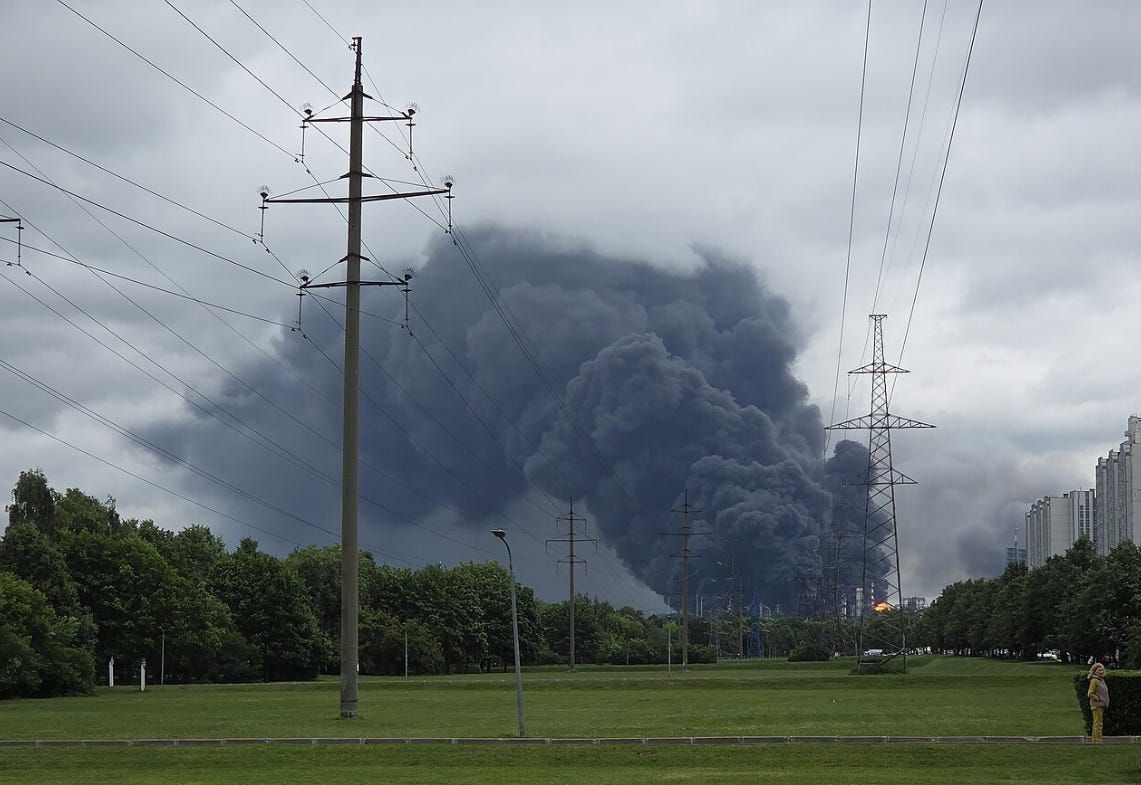
There are at least two other indicators that point to solid and continuing US support to Kyiv. First is the long-term intelligence-sharing relationship between the US and Ukraine. American and Ukrainian intelligence services have worked closely together since the Russian annexation of Crimea in 2014, building a deep, high-trust, and reciprocal relationship. The CIA already spent millions of dollars to train Ukrainian intelligence agents and build dozens of secret forward-operating bases along the Russian border. After a brief pause in intelligence sharing in early 2025, the Trump administration started providing Ukraine with intelligence for long-range missile strikes on Russia’s energy infrastructure in October 2025, while calling on NATO allies to do the same. An increase in US intelligence sharing, mainly advanced satellite reconnaissance, is widely seen as a crucial enabler for Ukraine’s very successful deep strikes on Russian military and industrial infrastructure during the last months. Paradoxically, Trump recently called on Ukrainian President Volodymyr Zelensky to stop the strikes on Russia’s oil industry, because these (and not Trump’s own war on Iran) would drive up global diesel prices.
A second indicator is that the US defense industry still provides Ukraine with the weapons that it critically needs, and that cannot be quickly replaced with European equivalents. The mechanism behind this is the PURL initiative (Prioritized Ukraine Requirements List), which officially started in July 2025. With PURL, Ukraine identifies its own critical military needs like air defense systems, interceptor missiles, artillery ammunition, and other strategic components. Ukraine, the United States and NATO then agree on packages of US weapons worth around $500 million each, which are directly financed by Ukraine’s European allies and produced and delivered to Ukraine by the U.S. Over the last year, PURL has proven to be a fast and efficient way to deliver crucial US-made weapons - such as Patriots interceptor missiles - to the front lines in Ukraine. The initiative has already funded more than ten weapons packages, worth nearly $ 7 billion. Norway, the Netherlands, and Germany are among the top contributors to PURL.
The current mode of US assistance to Ukraine could be what the cryptic phrase “critical but more limited support”, as coined in the 2026 U.S. National Defense Strategy, means in practice. This is the key concept that the Trump administration prefers to use to define its desired relationship with allies in Europe, the Middle East, and Asia. It is critical because the U.S. still provides Ukraine with strategic goods – like advanced intelligence and air defense systems – that no one else can provide at scale. But it is also painfully limited, underlining the urgent need for Europe to assume greater responsibility for its own security and taking the lead in supporting Ukraine’s defense.
The longstanding US sanctions on Russia’s banking sector, export controls on technology and dual-use goods, restrictions on new US investment and the sanctions specifically aimed at Russia’s oil giants Rosneft and Lukoil, together with the intelligence sharing and PURL initiative all play an important role in Ukraine’s effort to defend itself against Russia. Only with the PURL mechanism is there a direct transactional gain to the US. The intelligence support and the sanctions regime signal a more strategically steered U.S. willingness to support Kyiv.
If Trump actually dares to impose major tariffs on China and India because of their purchasing of Russian oil, this would potentially hit Russia’s oil export revenue harder than most sanctions packages since 2022 have. Supported by US intelligence, Ukrainian drone and missile strikes have already caused severe damage to the Russian economy. Trump now has a tool to push it over the edge.
An excellent and very accurate observation.
We really are often subjective and judge things not as they actually are.
When it comes to Trump’s sanctions policy toward Russia, of course our perception is affected by the way Zelensky was received at the White House and Putin was received in Anchorage, Alaska.
Trump’s sympathies were made quite clear.
But I don’t think he changed afterward.
In America, and not only in America, you cannot simply do whatever you want. Even if you are Trump.
Especially if you are Trump.
And the Lindsey Graham Act is exactly about that. In fact, Trump really can waive any of the Act’s sanctions against Russia under Section 115. But that is a waiver, not permanent termination. To terminate them outright, he cannot do it without congressional review under Section 117.
The collaboration with the Ukrainian secret services started not after the annexation of Crimea but after the (US sponsored) Maidan coup.
The "friendship" with Putin and the threats to withdraw American troops from Europe are just tricks to have Europe pay America's bills. In Ankara the US increased its power within NATO. Anyone who believes in an European defense believes in fairy tales.