


In Summary:
Months of tensions and threats were a cause for worry in Greenland and Denmark
The new agreement increases the US’s military presence on the island, whilst respecting Danish sovereignty
Still, the main outcome of this crisis might not be the agreement itself, but the lasting harm done to the transatlantic relationship
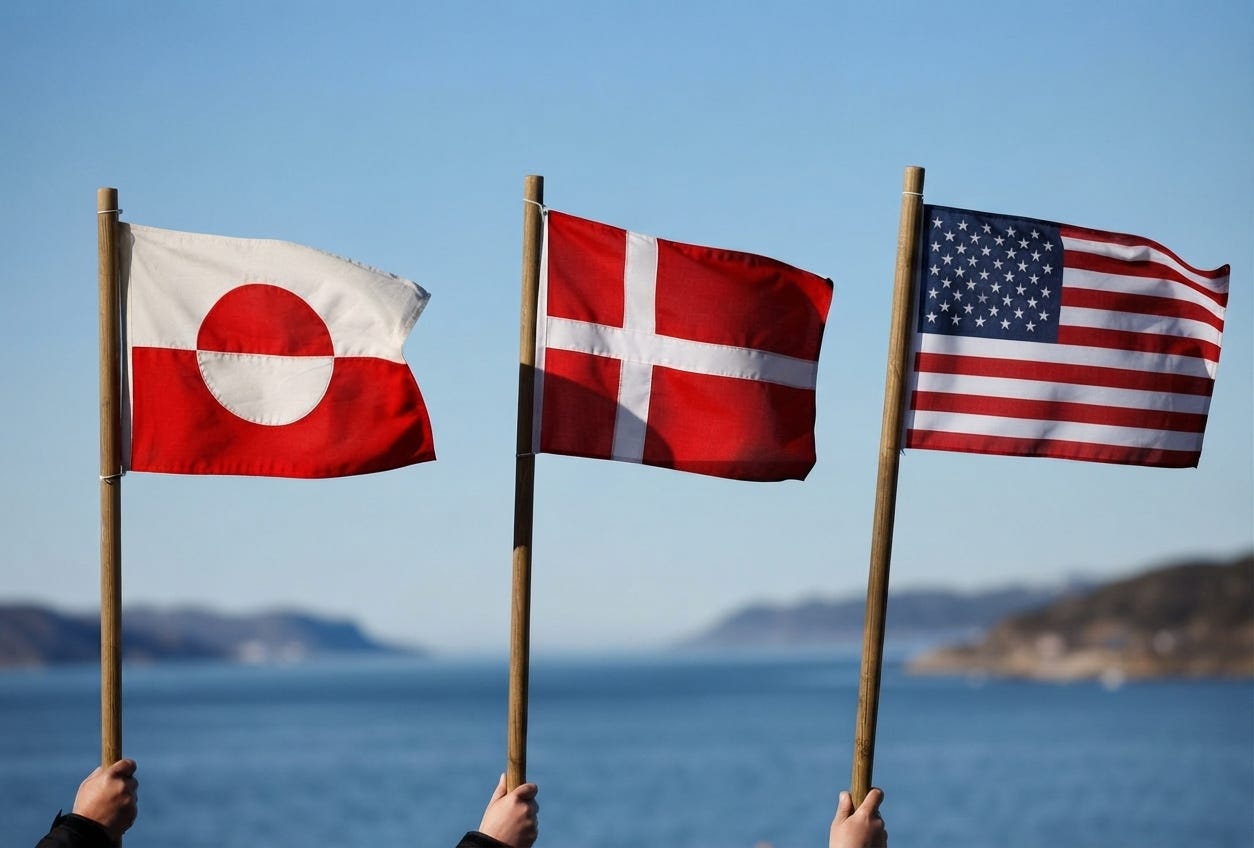
After many months of tensions, an agreement between Denmark, Greenland, and the US was finally signed on the sidelines of the 2026 UN General Assembly. The agreement, which builds on preexisting agreements, like that of 1951 and the 2004 Igaliku agreement, has been received positively on both sides of the Atlantic. Trump, on his own Truth Social, said the agreement was a “dream come true for the United States of America, one that is very important, historical and special”. Denmark’s foreign minister said the agreement is one that “we can all be very satisfied with” and upon returning home, Greenland’s delegation was given a heroes’ welcome. If everyone is now content, then what was the initial fuss about, and what does the agreement mean for Greenland? Furthermore, now that an agreement has been found, is the dispute actually settled, or should Europeans still be worried?
Why Greenland matters
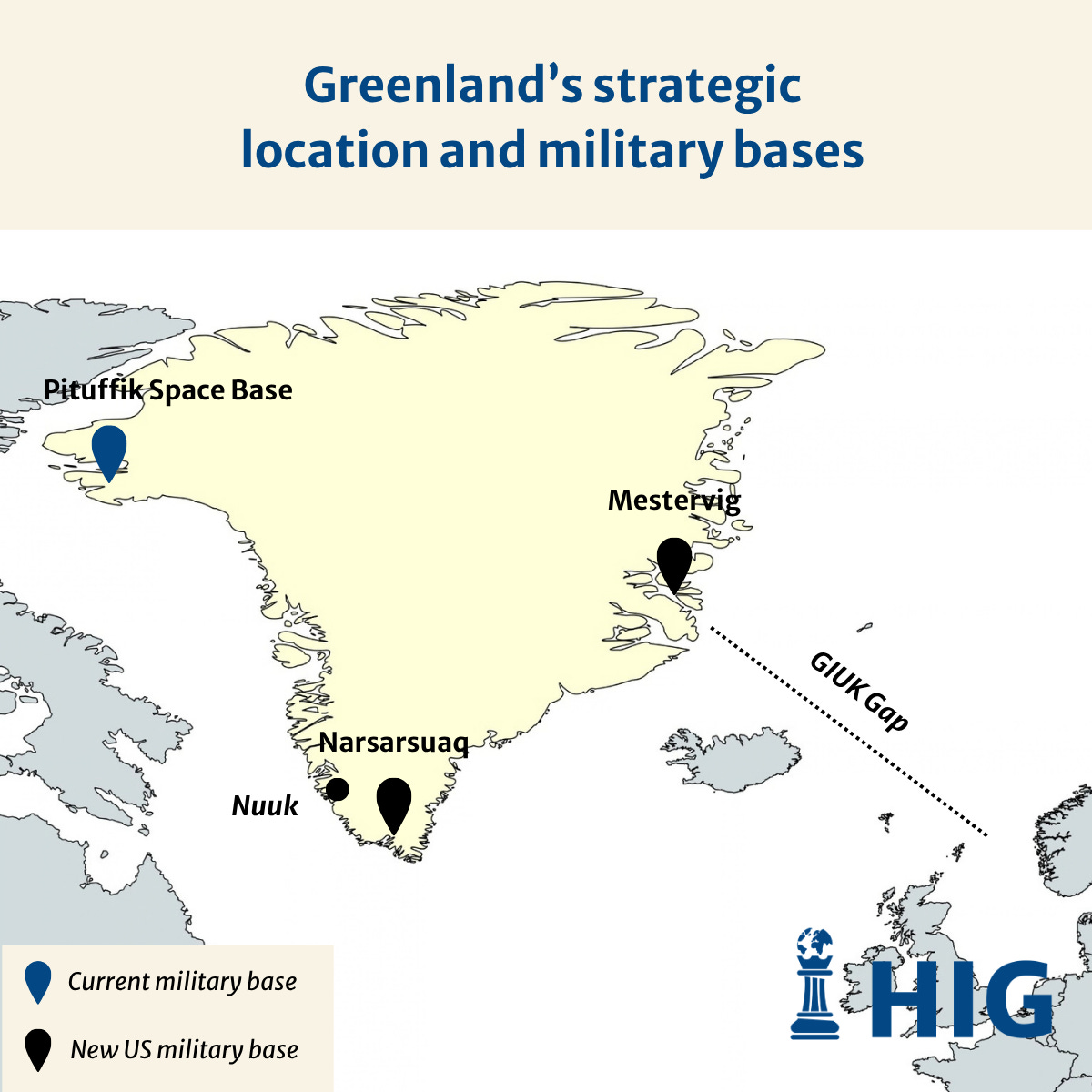
First, a quick recap: why is Greenland important to Arctic security? As described in reports by the Clingendael Institute and HIG, the Arctic in general has become an area of increased geopolitical tension: The US, Russia, and China have all increased their military footprint in the region. In the Arctic, Greenland specifically occupies a strategic position. Together with Iceland and the United Kingdom, it forms the GIUK gap. This is a key maritime transit route that connects the North Atlantic to Northern Europe. The route is also Russia’s quickest way to access the North Atlantic and the American East Coast. Subsequently, NATO monitors this gap, denying Russian submarines access. Greenland’s Pituffik Space Base also plays an important role in the monitoring of potential long-range missile strikes.
How did we get here?
Greenland also caught the eye of US President Donald Trump. During his first term, he proposed to outright buy the island. Last year, he did not rule out taking the territory by military force and told the New York Times that acquiring it was “psychologically important” for him. As Time Magazine reported, the US President is alledgedly fearful of the increased Russian and Chinese presence around the island, and therefore frames the issue as one of national security. However, Karen van Loon, a research fellow at the Clingdael Institute who is specialised in the Arctic, notes that this should be taken with a grain of salt:
“The Americans say that Greenland is important for national security, and that is partially true, because the maritime zone is really important. But then Trump also mentions Russian and Chinese presence around Greenland, and in the way he describes it, that is simply not the case”
Other analysts, like those of the Center for Strategic & International Studies, have also noted the Trump administration’s desire to access Greenland’s rare earth minerals. Yet this is not as simple as it seems. Cristoph Humrich, assistant professor at the University of Groningen’s Arctic Centre, questions the feasibility of these ideas:
“Yes, people are interested in developing projects to access rare earth minerals. But the question is, is that a realistic prospect? There does not seem to be a widely shared plan on how to get investments, which you would need. Every bit of infrastructure for these mining projects would need to be built. That constitutes a huge investment. With climate change, it is also a rapidly changing environment, making it even more difficult.”
Regardless of the reliability of his motivations, Trump’s demands and threats still caused a major diplomatic crisis, which was only resolved after tensions had risen greatly. Van Loon continues:
“Trump was testing how far he could go. The EU responded by taking a strong stance and was considering deploying their “trade bazooka”. There were also concrete plans by Denmark, Germany and France to militarily defend Greenland against possible attacks. That sends a clear signal. It seems that behind the scenes, at the permanent representations to NATO and by heads of government, there was also a red line drawn, and that this message was received by the US. Maybe the diplomatic talks were not very smooth, but still, we have a deal now.”
The agreement: what is in it and what changed?
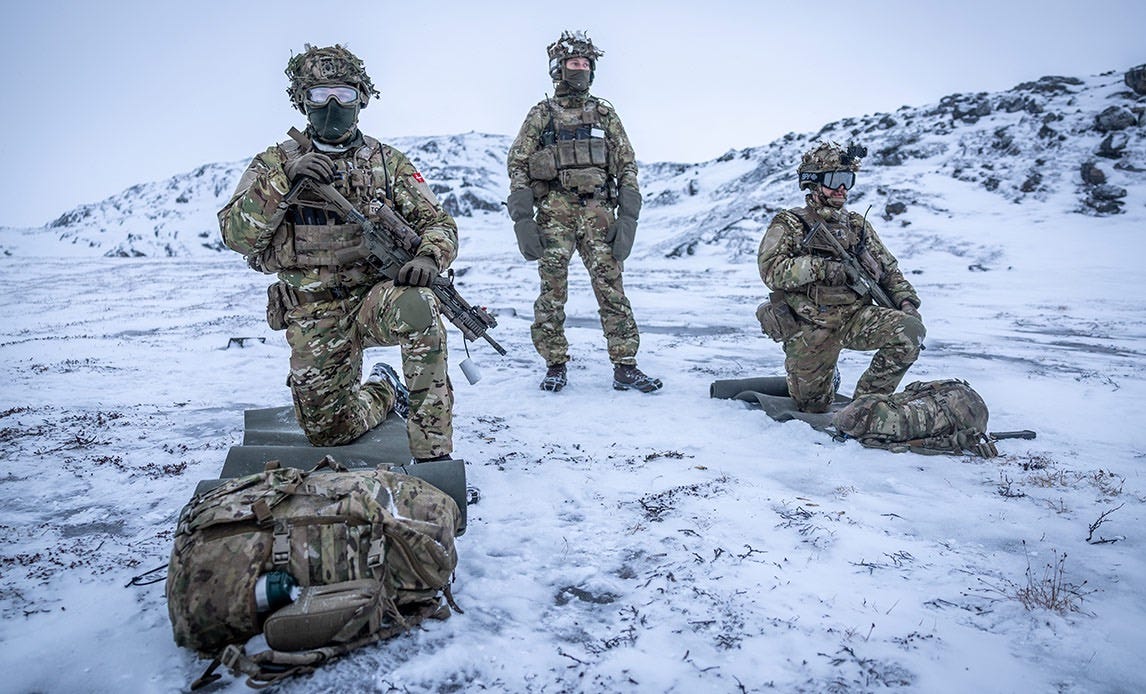
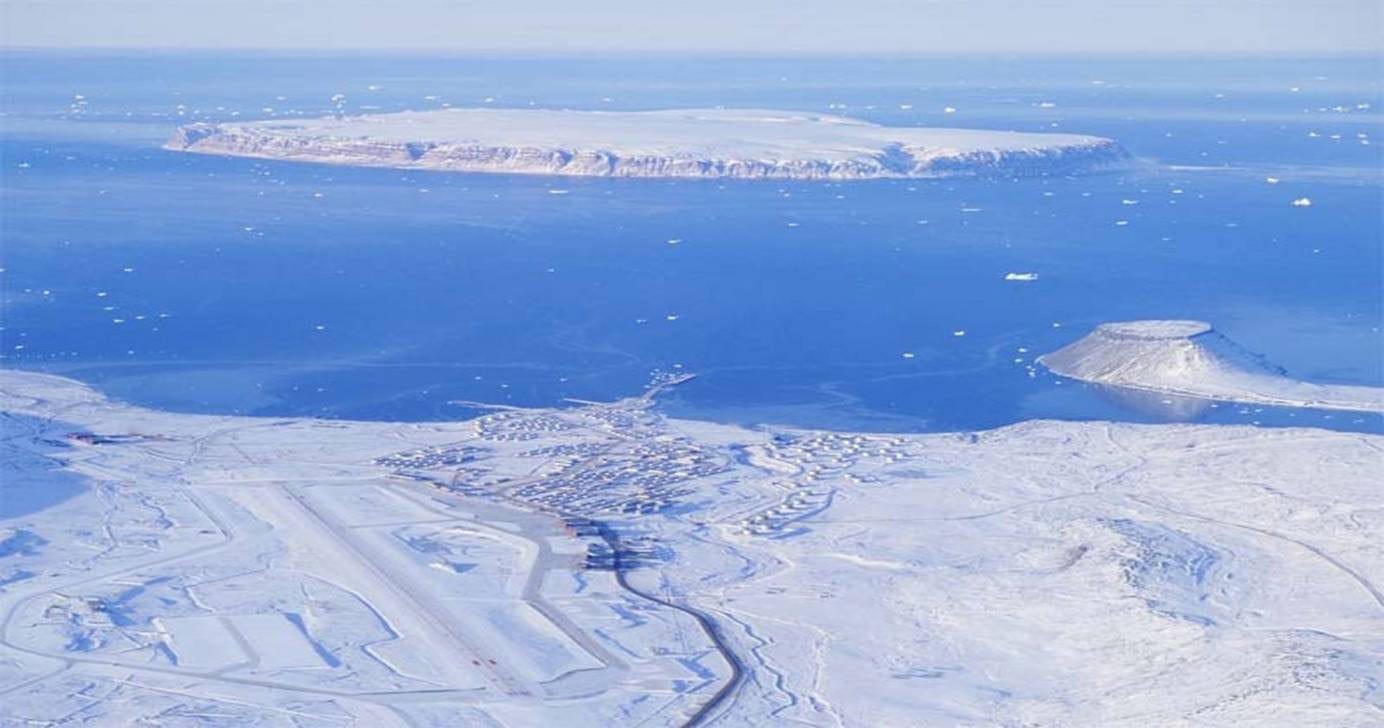
The agreement we have now is one that increases the US’ military presence on Greenland. Under Article 4 of the agreement, the US can open two new military bases on the island. Pituffik Space Base, the only base currently operational, is located in Western Greenland. The two new bases, located in Narsarsuaq and Mestersvig, thus expand US military presence to Greenland’s South and East coast. Outside of these military bases, the US will, in consultation with Denmark, also be allowed to establish “unmanned military installations”
The agreement also keeps other foreign powers out of Greenland. Unless otherwise agreed by the parties to the agreement, states outside of NATO will not be allowed any permanent presence on the island. Furthermore, foreign direct investment by states that are not in the EU, NATO, or NATO partners will be strictly restricted.
Still, these new policies do not represent any groundbreaking changes. Lukas Wahden, Ph.D. candidate at Sciences Po, gives a succinct analysis of the agreement:
“The new agreement builds on the 1951 Defence Agreement and the 2004 Igaliku Agreement. It supplements those texts as opposed to replacing them with a new treaty architecture. So, in the most basic terms, the new agreement modifies U.S.-Greenlandic-Danish relations, but within previously established guardrails.”
Humrich also notes the connection to earlier agreements:
“The opening of new bases was already possible, also with the previous agreement. If you consider the past and this new agreement, it is a reflection of the fact that Denmark was never able to defend Greenland, and Greenland will never be able to defend itself. That’s the reason the 1951 agreement existed, and it’s explicitly stated there”.
With the agreement similar to previous agreements and using their guardrails, it is a far cry from Trump’s original demand of buying Greenland. Mikkel Gudsøe, Honorary Associate Professor at Aarhus University and negotiation expert, explains this result:
“Trump’s strategy was just like a businessman trying to buy property. Then, when he couldn’t buy it, he tried to use some sort of coercion or pressure, like military force, or at least the threat of it - which is a very competitive, very dominating negotiation strategy. He also tried, meanwhile, to see if he could ‘bribe’ the Greenlandic people. Thinking that, ‘you know, maybe I cannot get the seller to sell the property, but what if I could get all the tenants, the people inside, to say we want to be a US citizen?’ When that failed, I think he went with his third-best option, and that was to strike a deal where he would have the military presence that he would also have had had he succeeded in buying Greenland or getting it to join the US.”
Winners and losers?
Now that Copenhagen and Nuuk have avoided a major geopolitical crisis and Trump has had to settle for his third-best option, does this mean that Denmark and Greenland are the winners in this situation? That conclusion is probably too simple. Van Loon says:
I would not use the term winner. The outcome is a relief for Greenland or Denmark, but not an embarrassment to the US either. From Trump’s various deals, this one seems like one of the more serious efforts. The Iran deal, for example, contains things that can never be realised. This deal is more realistic, meaning that they can hopefully follow the terms set out in the agreement”.
Similarly, Wahden also does not see a winner in this situation. He mentions that while “Denmark and Greenland have skillfully managed to avert a worst-case outcome,” there are “no clear winners” as the relationship between the US and Europe has been significantly damaged. For Mikkel Gudsøe, this damaged relationship also makes it hard to clearly evaluate the diplomatic outcome:
“If you now look at events from eight months earlier, you cannot really describe the US as a reliable, friendly ally. The agreement is good, but the partner you concluded it with is a bit suspicious, right? So it can go two ways: Either things will become normal again and this was just a bump in the relationship, or by giving them a larger military presence, you have basically let a transparent Trojan horse into your kingdom.”
Final thoughts
This agreement ends a period that can rightly be called a diplomatic crisis between Europe and the US. Therefore, it makes sense to see the agreement as a relief for Denmark and Greenland, like Van Loon pointed out. With the new military bases, the US’ national security concerns should also be eased, and with Greenland’s large size and difficult terrain, it makes sense that Denmark and Greenland need partners to keep the island secure. Yet, after this tense period and the various American threats, this whole saga should give Europeans pause: old friendships can no longer be taken for granted.
Your point that the agreement supplements the 1951 and Igaliku texts instead of replacing them is the part most coverage skipped. In our file on Greenland, that is how the standoff ended: American bases and missile warning over the pole, Russia and China kept off the island, and Greenland's sovereignty kept. That file is here: https://www.eliasmaren.com/audiobooks/greenland-chokepoint
Respectfully — Elias Maren