
In Summary:
Russia keeps a presence on the island to deter any change in the status quo
The nearby Kola Peninsula is a key location for Russia’s military strength in the Arctic and nuclear capabilities.
Svalbard is governed by a treaty that is supposed to keep it demilitarised and a zone of low tension.
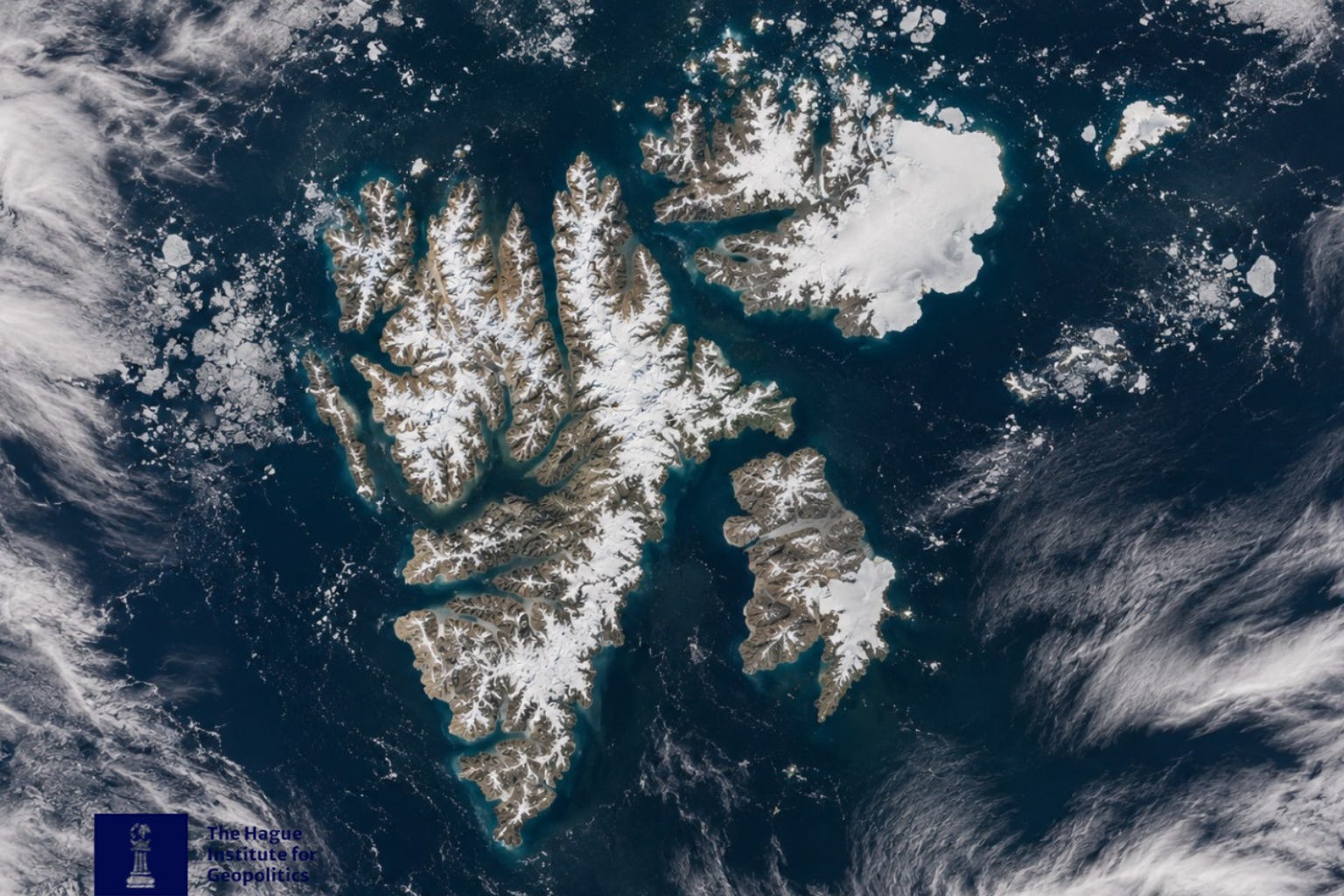
Lately, news coverage has increasingly focused on Russian actions in the Baltic, mostly in Estonia and Lithuania. However, Russian hybrid actions are not limited to the Baltic. Svalbard, a Norwegian territory in the Arctic Ocean, west of Russia’s Kola Peninsula, has also had incidents, like a cut undersea cable in January 2022 and GNSS spoofing in July 2025. Which incidents have taken place, and why is this Norwegian archipelago strategically important to Russia?
Svalbard’s status
Svalbard, discovered in 1596 by the Dutch navigator Willem Barentsz, has fewer than 3.000 inhabitants and is Norwegian territory under the 1920 Svalbard Treaty. Though Norway governs the territory, the treaty stipulates that citizens and companies from the signatories of the treaty all have the right to live on the island or engage in commercial activity there. Additionally, the treaty prohibits military bases and fortifications and states that Svalbard must never be used for warlike purposes.
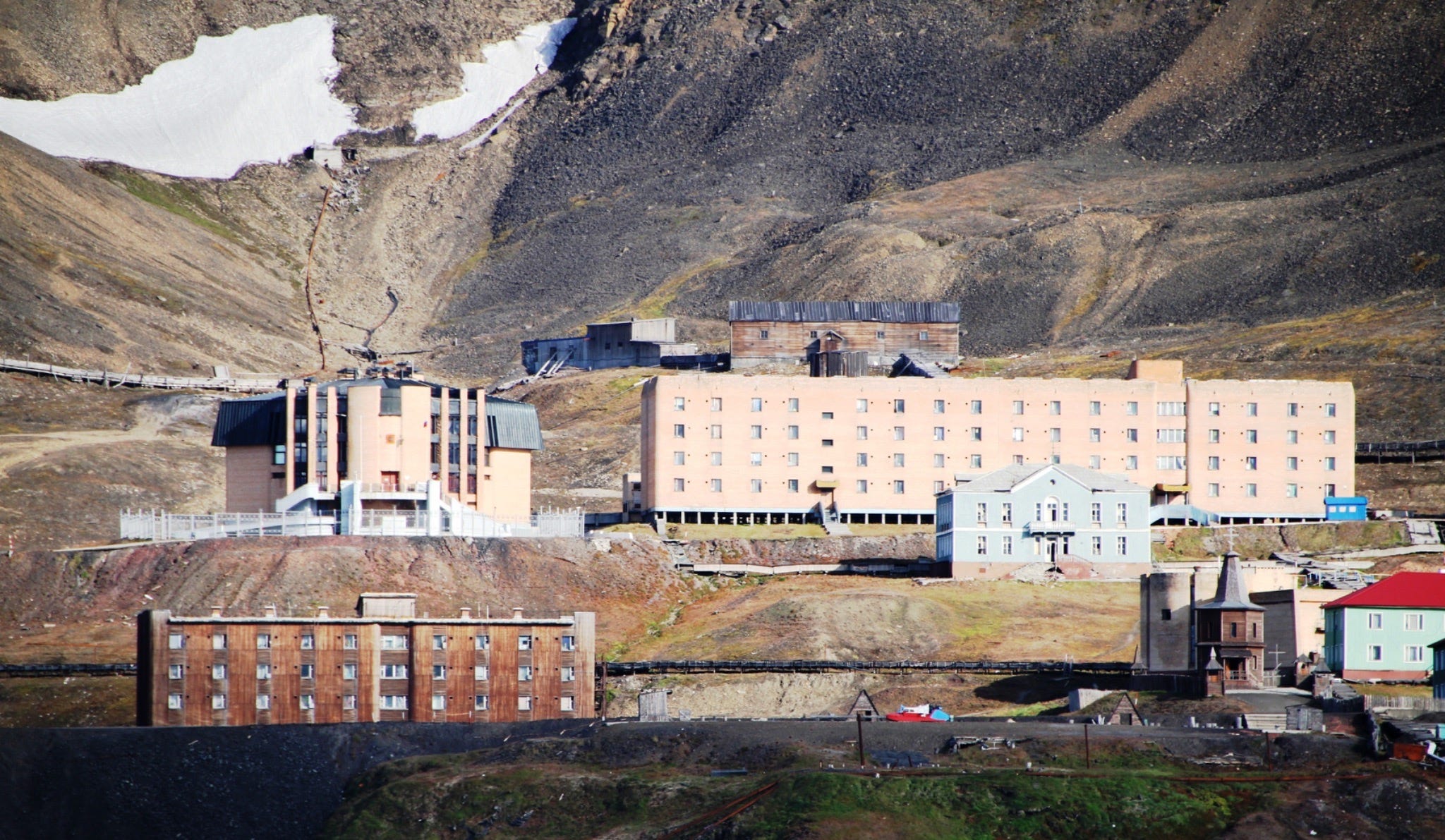
Since the treaty was signed, Russia has been the only state besides Norway that has had a considerable presence on Svalbard, in the form of settlements and economic activities. From the USSR onwards, the main presence has been in the form of coal mining settlements. As the economic output of these activities is low, Russia’s activities are seen as serving a primarily political purpose, with scholars describing Russia’s actions as a policy of presence, where Russia keeps a presence on the archipelago to make sure other states cannot use the territory against Russia. Andreas Raspotnik, director of the High North Center for Business and Governance at Nord University, also questions the economic incentives behind Russia’s presence: “If Barentsburg was never really economically profitable, it is all about being present. Showing presence has always been key for Russia, that has not changed, and it is a very distinct thing the Svalbard Treaty allows.’