

In Summary
Brazil is at a turning point and is trying to have its cake and eat it – as it were – by aligning itself with multiple groups – such as the Global South, BRICS and the West – within the changing world order.
A trade agreement between the EU and Mercosur is up in the air at the G20 summit, but France, in particular, is currently blocking a decisive agreement.
Relations between the left-wing progressive Lula and the libertarian Milei are strained.
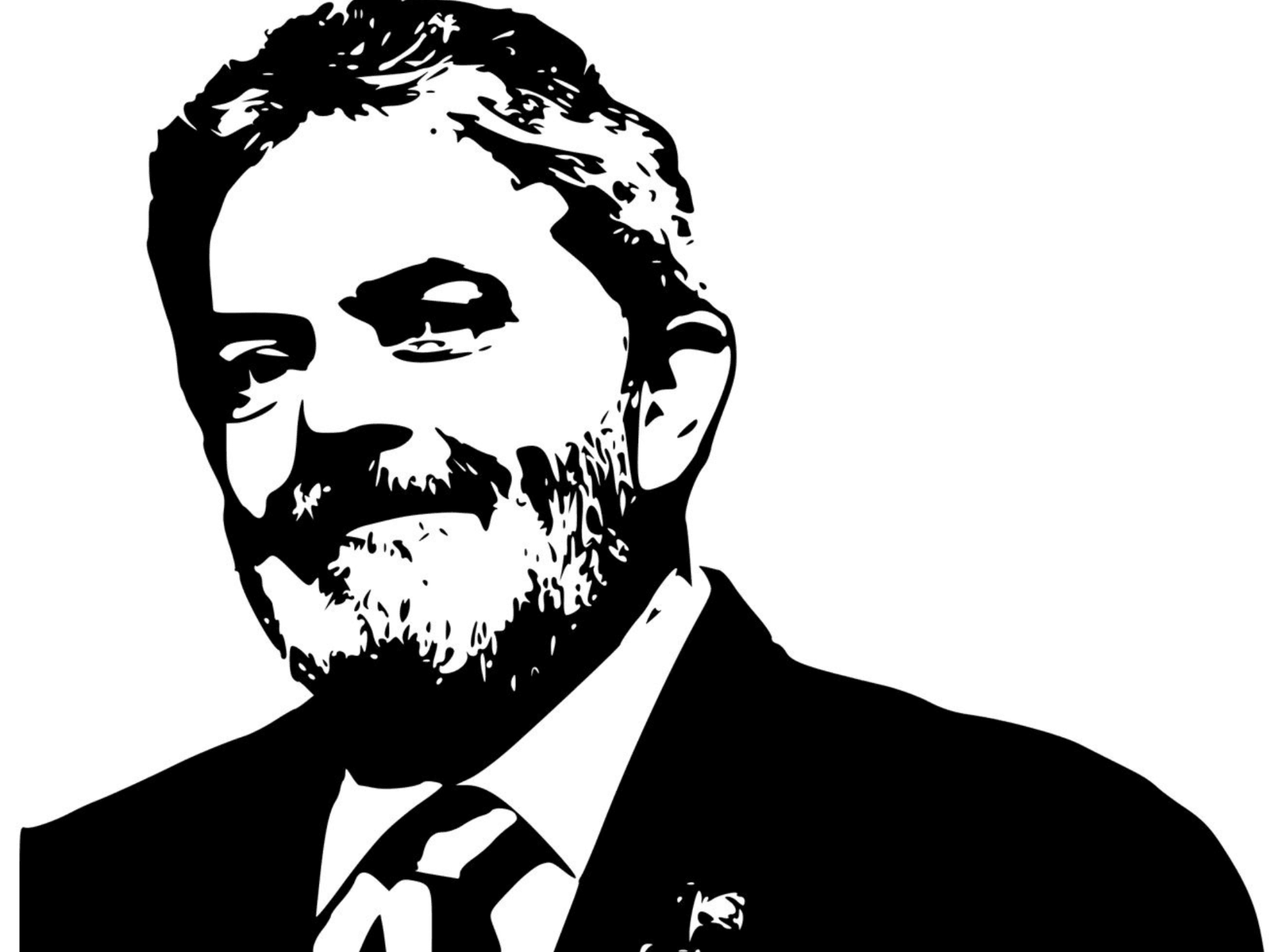
Brazil Update | Less than a month ago, Brazilian President Lula da Silva was absent from the BRICS summit in Kazan, Russia, for health reasons. However, the G20 summit on home soil, in Rio de Janeiro, offers the leader a new opportunity to raise his international profile. Both at home and abroad, Lula continues to draw on the successful and ingenious Bolsa Família programme – introduced during his two previous terms in office (2003–2010) – as a policy tool to reduce socio-economic inequality.
At the G20 summit, one of the key items on the agenda was a Global Alliance against Hunger and Poverty. This initiative enjoyed widespread support from many countries, as well as from the European Union and the African Union – with the notable exception of Mercosur’s neighbour and fellow member: Javier Milei’s Argentina, which decided almost immediately after the Argentine elections that joining the BRICS was, after all, not such a good idea. Meanwhile, in France, farmers have taken to the streets to protest against another issue: a trade agreement between the EU and Mercosur.
The Brazilian newspaper Folha de S.Paulo describes the greeting between Lula and Milei as “awkward”, whilst characterising the greeting between Lula and Macron as “very effusive”. Is this a sign of an impending agreement or, on the contrary, a new obstacle?
Brazil stands at a turning point in a shifting world order. Whereas during his first terms Lula primarily sought to build geopolitical credibility and put Brazil on the map, his stance on current issues is more ambiguous. A telling example is Lula’s purported neutrality in the war between Russia and Ukraine in the interests of peace, whilst at the same time choosing to openly criticise Israel, thereby adopting a different line of rhetoric. Trade with Russia continues as before.
At the same time, Lula is seeking to ensure the agreement between the EU and Mercosur goes ahead. Lula is also winning favour with some by his so far fairly successful efforts to curb the deforestation that began under his predecessor, Bolsonaro. Lula and the PT (Workers’ Party), which he founded, are therefore no longer as easy to interpret in geopolitical terms as they were during his previous terms in office.
This is, incidentally, strategic and illustrative of the changing world order, in which it is no longer a given that countries such as Brazil will turn to the US and the EU. Brazil’s geopolitical and diplomatic policy is geared towards multilateralism, with an attempt to be everyone’s friend in a world full of tensions. Furthermore, Lula’s first term as President of Brazil is referred to as the ‘Pink Tide’ on the Latin American continent, during which a wave of left-wing and centre-left politicians simultaneously came to power.
This was a period characterised by economic growth, driven in particular by the enormous surge in demand for exports to China – the ‘commodity boom’. The geopolitical climate at regional and global levels has therefore changed, and so too has Lula’s approach to multilateralism. This has already led to controversial stances on several occasions.
It would be unwise for the Netherlands to turn a blind eye to the new, multipolar world order. By remaining mired in the overly simplistic ‘us-or-them’ rhetoric of anti-Western sentiment, the Netherlands is missing out on potential new opportunities offered by the shifting balance of power and emerging nations by failing to anticipate these changes. For example, we could advocate for the modernisation of existing international bodies and organisations of which we are already members, such as the UN. The latter, incidentally, will certainly also be on the agenda at the G20 summit.
The alternative is, in all likelihood, that more organisations such as BRICS will emerge or that these will be strengthened at the expense of the legitimacy and scope of international organisations of which the Netherlands is currently a member. Dutch representatives may then no longer be (directly) at the table where decisions are made that make a difference to the future of the world – as is, incidentally, already the case at the current G20 summit. Brazil wants to back several horses and, from time to time, keep the reins in its own hands. The Netherlands and the EU may also need to consider spreading their bets further.
This article was translated, find the original here.