


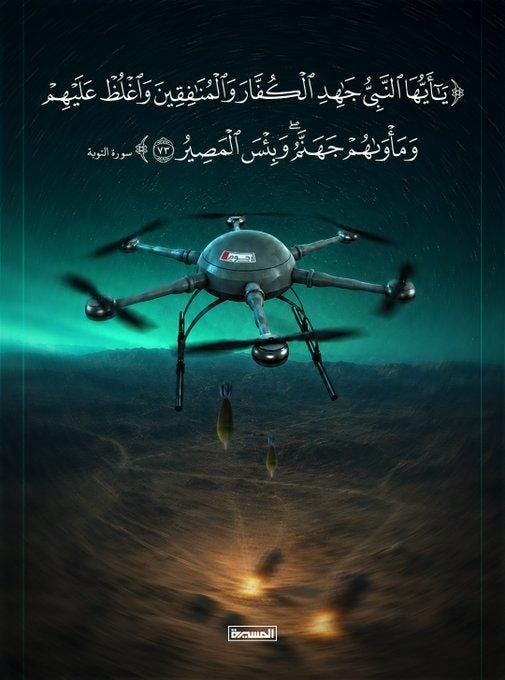
This part of the analysis of the Houthi arsenal focuses on their aerial capabilities — including Land Attack Cruise Missiles (LACMs), Surface-to-Air Missiles (SAMs), and Unmanned Aerial Systems (UAS) — as well as their radar and electro-optical sighting systems.
Land Attack Cruise Missiles (LACM)
Quds (”Jerusalem”)
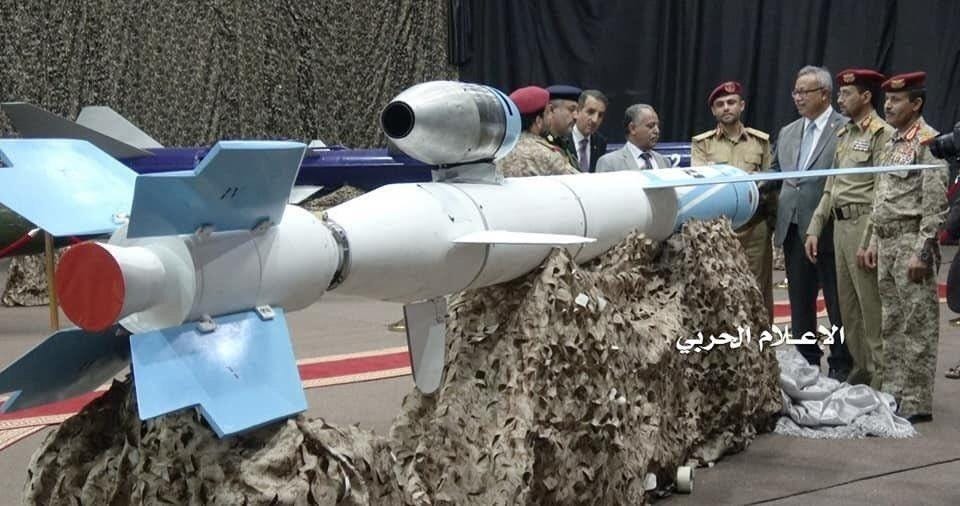
Quds-1 is a solid-propellant-booster/turbojet missile derived from the Iranian Soumar, derive (reversed engineering) from the Russian Kh-55. It has a range of 700–800 km and an undisclosed payload, with TERCOM (Terrain Contour Matching) navigation guidance. Quds-1 may have been used against Aramco facilities in Abqaiq/Khurais in 2019.
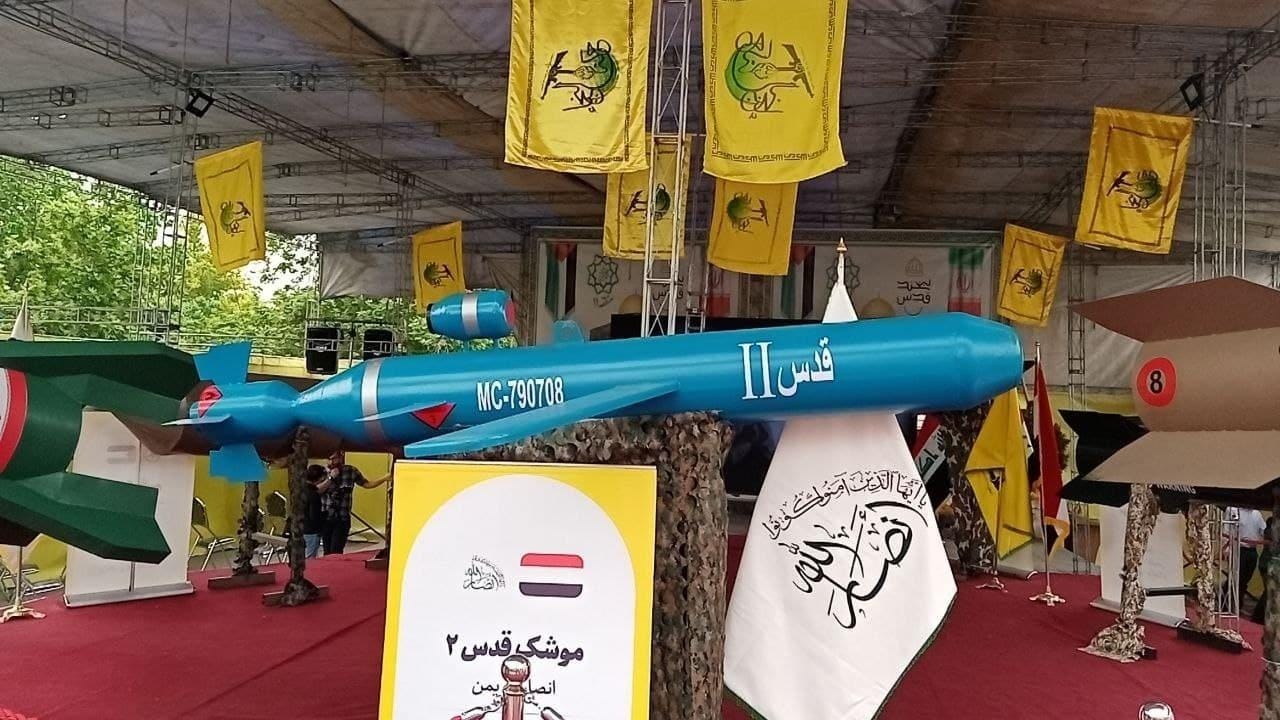
Quds-2 is a solid-propellant-booster/turbojet missile with a range of 1,300 km, derived from the Iranian Soumar missile, and is assumed to use TERCOM navigation guidance. The Quds-2 has been used against Israel by Iraqi Shia militias.
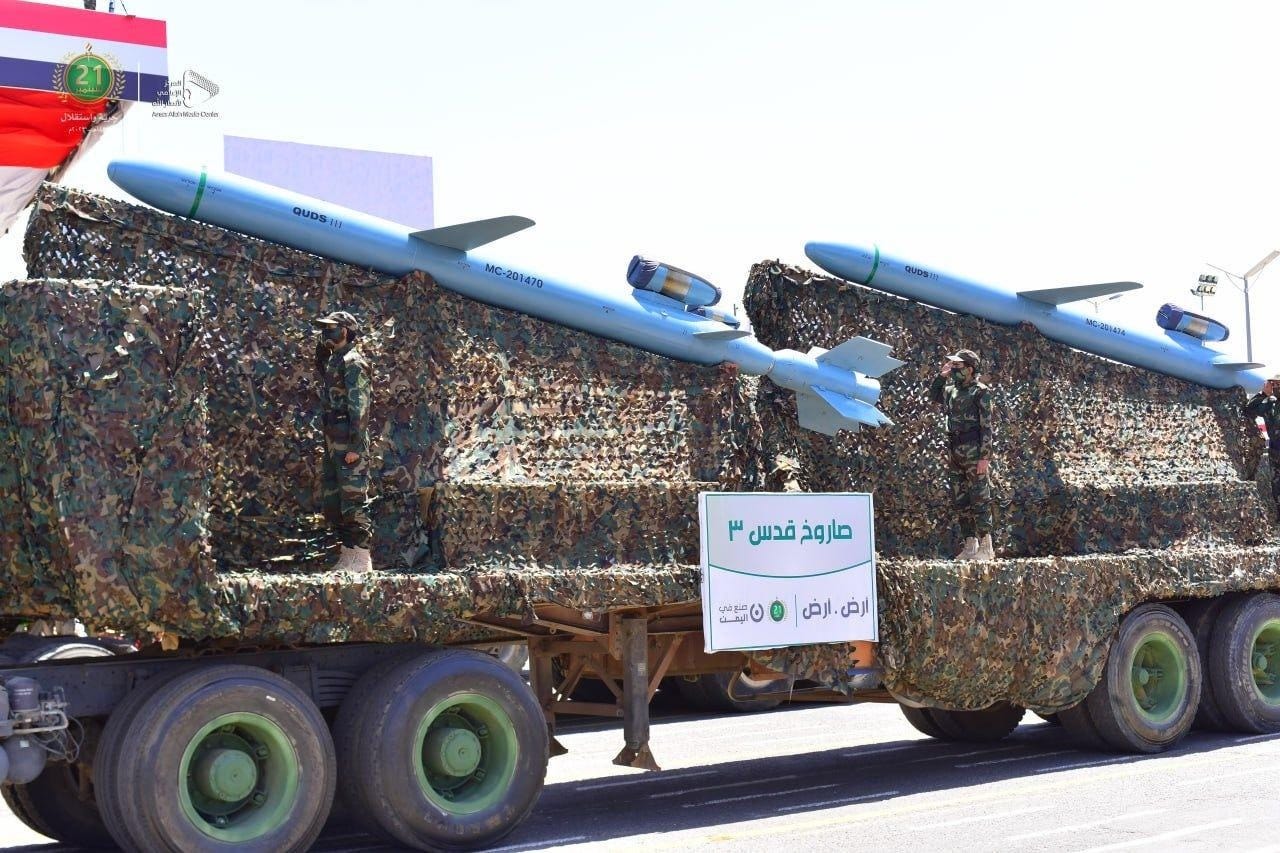
Quds-3 is a solid-propellant-booster/turbojet missile with a range of 2,000 km, derived from the Iranian Soumar missile, and is assumed to use TERCOM navigation guidance. The Quds-3 was used against the city of Eilat-Israel in 2024.
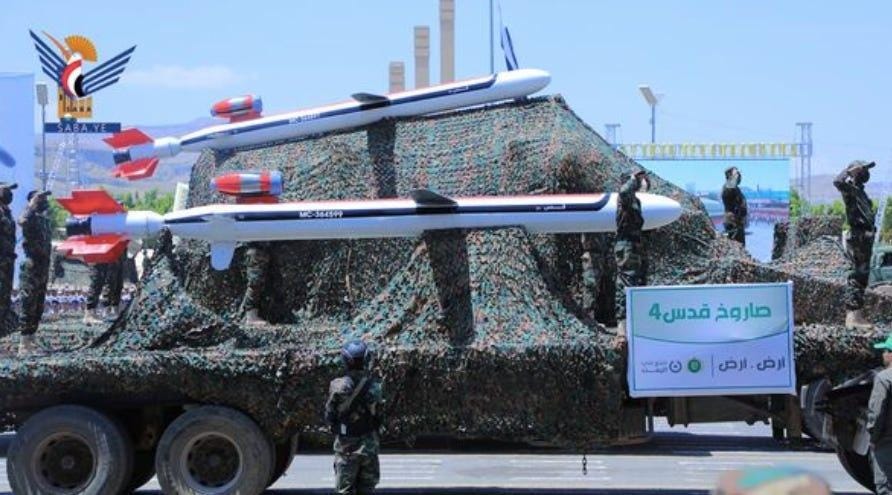
Quds-4 is based on the Iranian Project 351/Paveh, with a range of 2,000 km and an unknown payload, using satellite navigation. The Quds-4 has been used against Eilat, Israel but failed to reach the city.
Surface-to-Air Missiles (SAMs)
Thaqib (”Piercer”)
The Thaqib family comprises Soviet- and Russian-made air-to-air missiles repurposed as SAMs.
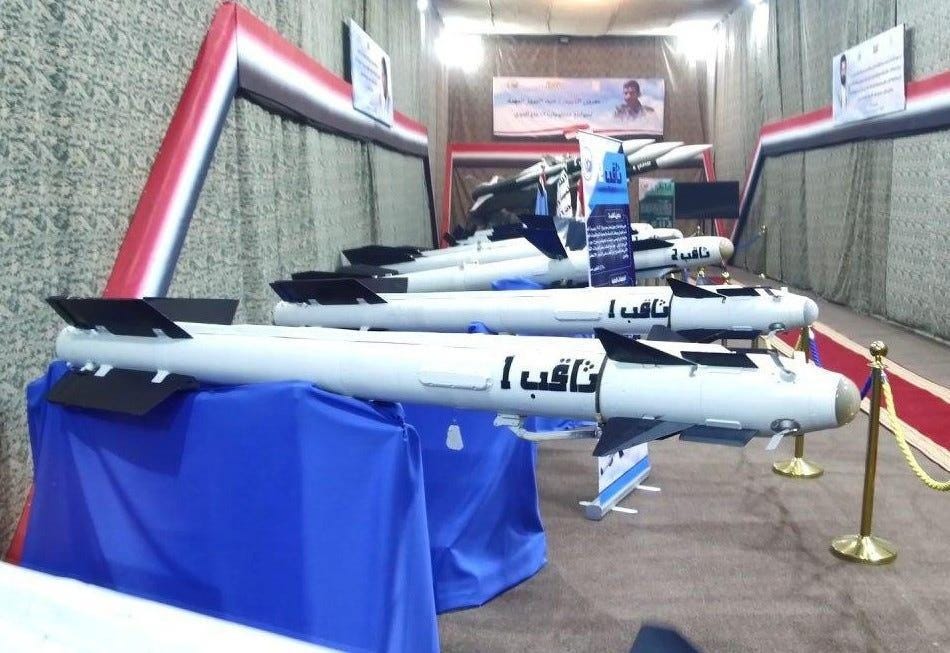
Thaqib-1 is based on the R-73E, with an infrared-guided/passive seeker, an 8 kg warhead, a 9 km range, and a 5.5 km engagement altitude.
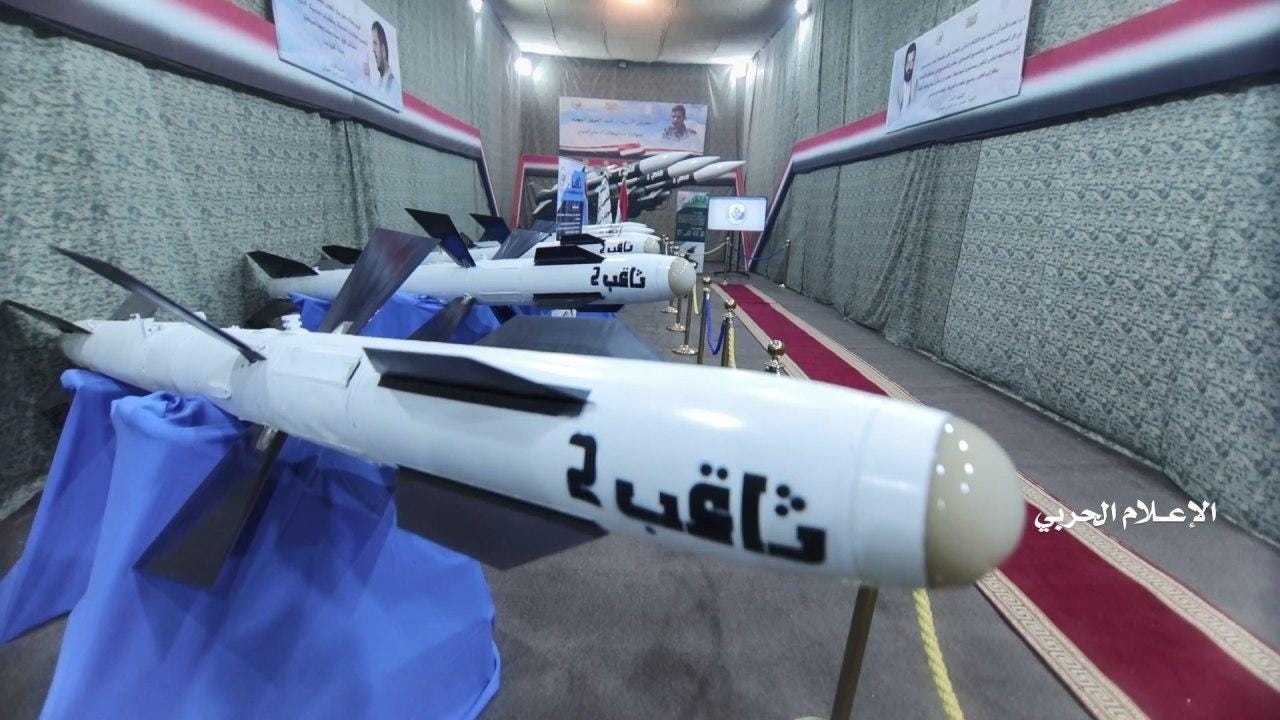
Thaqib-2 is based on the R-27T, with an infrared-guided/passive seeker, a 39 kg warhead, a 15 km range, and an 8 km engagement altitude.
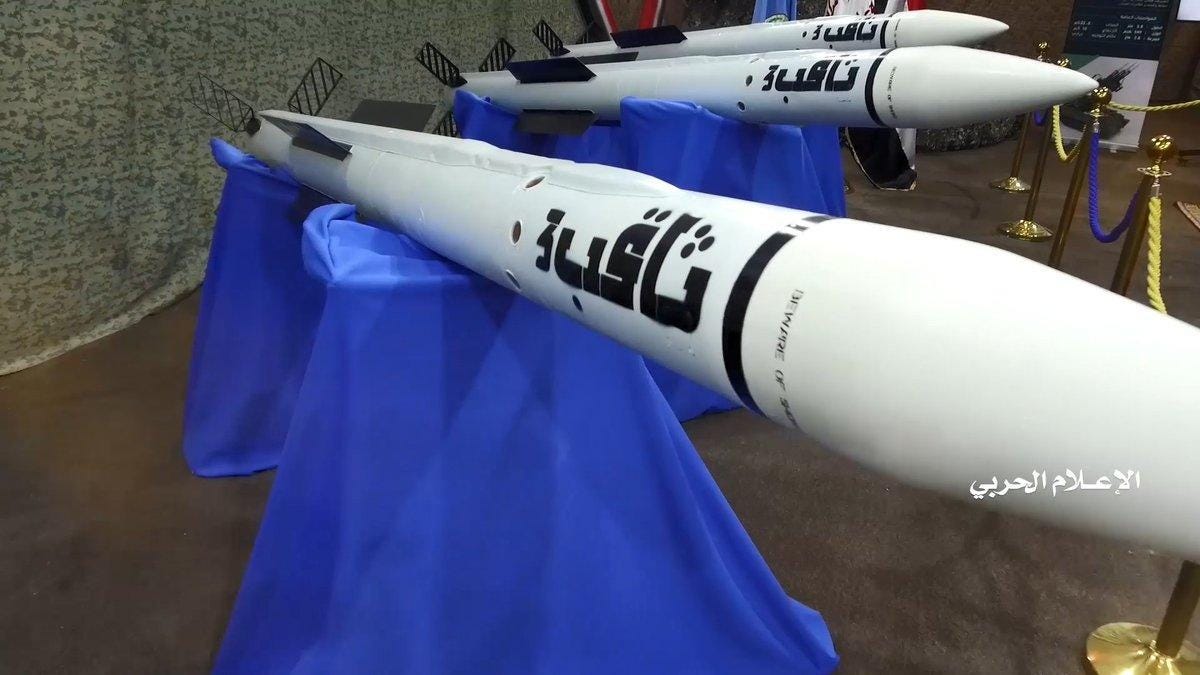
Thaqib-3 is based on the R-77, with radar guidance; its payload, range, and altitude have not been disclosed.
Thaqib-1 and Thaqib-2 have been credited with shooting down or hitting UAVs (MQ-9 Reaper, Wing Long, CH-4), as well as F-15 and F-16 aircrafts.
Fater-1 (”Creator”)
The Fater-1 SAM was unveiled in 2019 and is based on the Soviet 3M9 missile (either refurbished or copied), used by the 2K12 Kub/SA-6 system. Fater-1 specific features have not been publicly disclosed. The 3M9 missile has a range of 3–24 km, an engagement altitude of 8 km, and a 57–70 kg high-explosive fragmentation warhead, with potential improvements made through Iranian assistance. A Fater-1 missile has allegedly shot down a U.S. MQ-9 Reaper UAV.
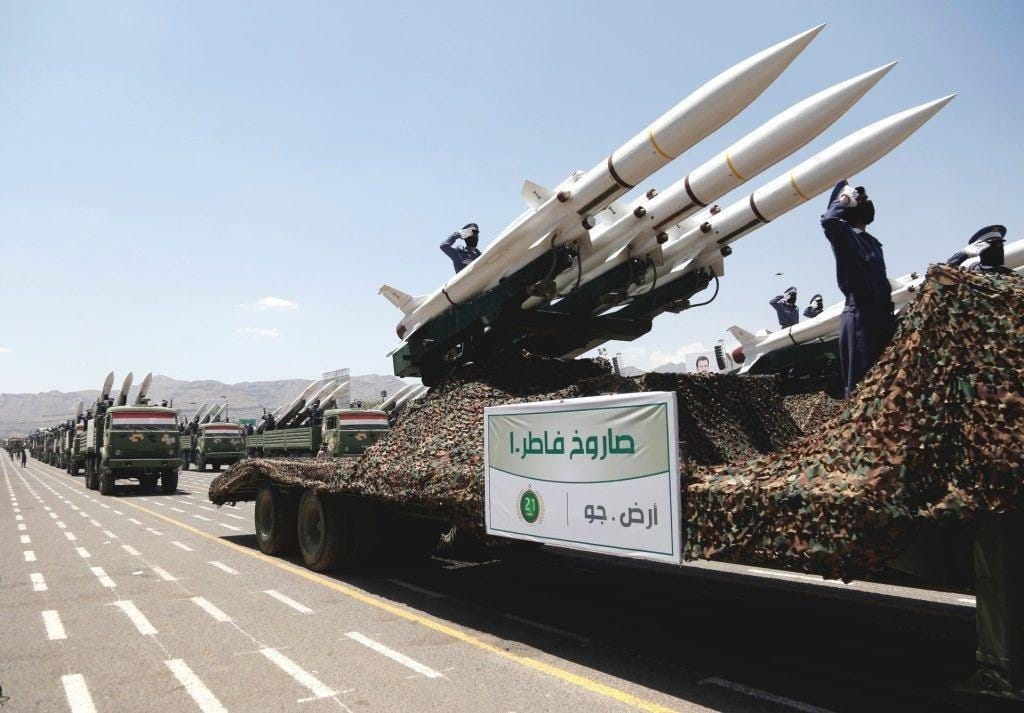
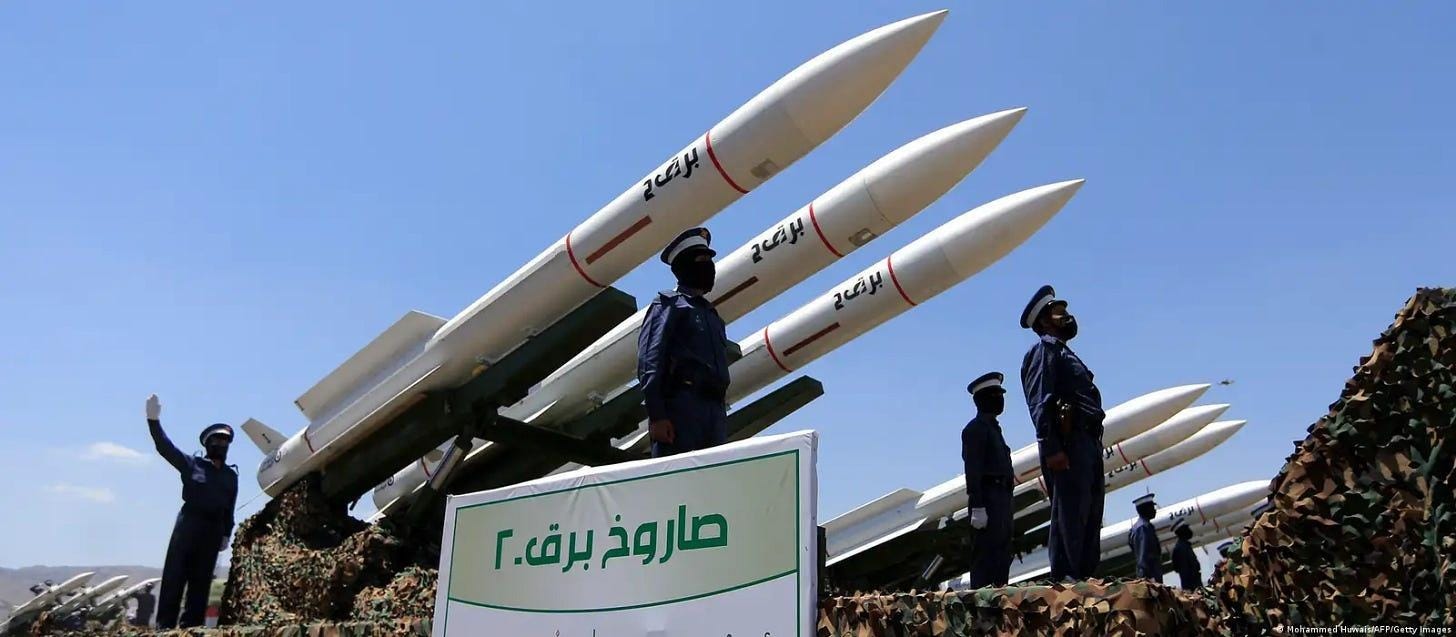
Barq (”Thunderbolt”)
Barq-1 has a range of 50 km, an altitude of 15 km, a high-explosive warhead, and a semi-active guidance system; it is either a copy or a refurbished version of the Soviet 3M9 missile used in the 2K12 Kub/SA-6 system.
Barq-2 has a range of 70 km and an altitude of 20 km and is based on the Iranian Taer SAM family. Barq family missiles have allegedly come close hitting a F-35.
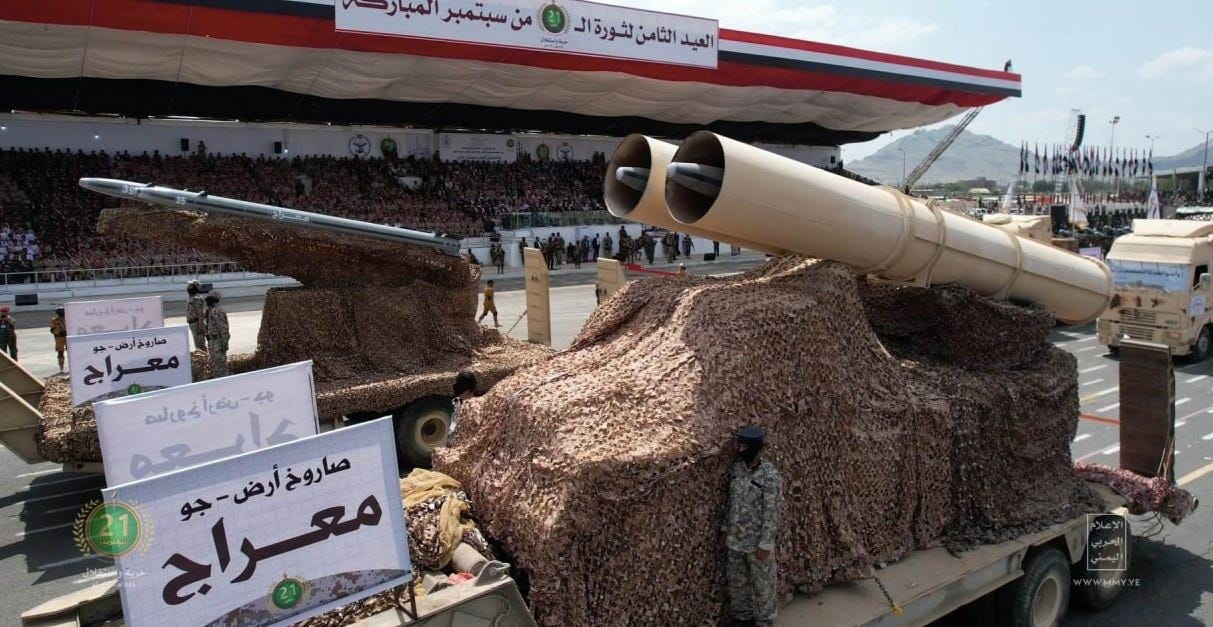
Mi’rajMira (”Ascension”)
According to the Houthis, the Mi’rajMira SAM is based on the Badr-1, uses dual thermal and radar guidance systems, and is highly manoeuvrable, with reportedly high accuracy. No further information is publicly available.
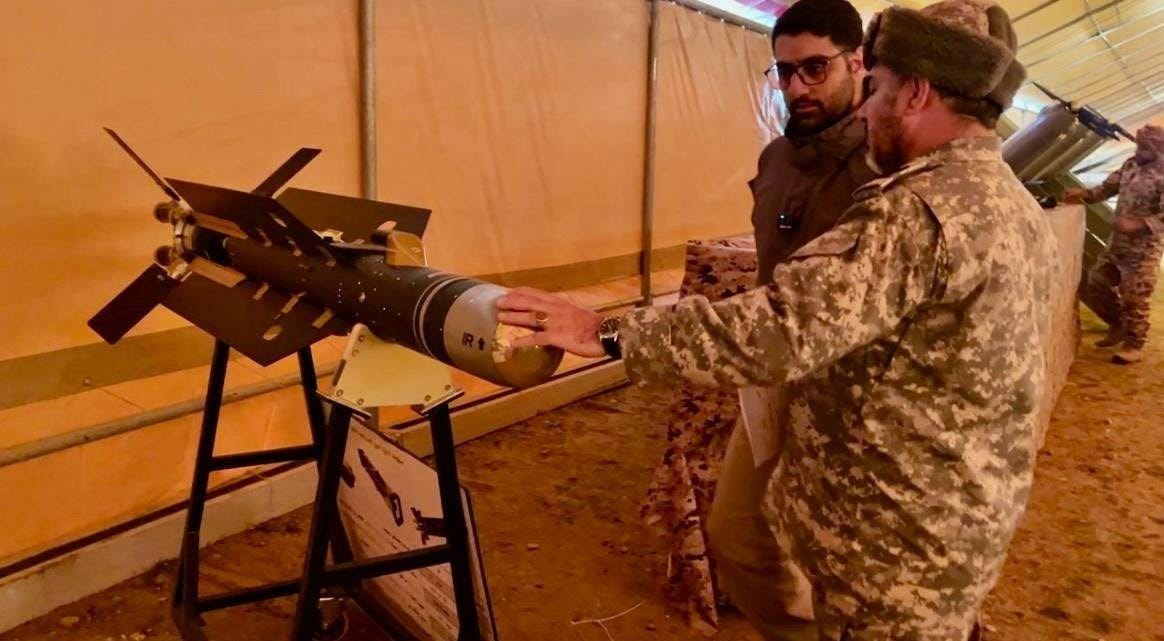
Ghaem-118 Anti-Drone Interceptor
The Ghaem-118 is an Iranian anti-drone interceptor, assessed as a copy of the American Coyote Block 2 missile. Unveiled in 2025, it has a range of 25 km and a high-explosive fragmentation warhead, using radar, electro-optical, and thermal tracking guidance. An intercepted arms shipment bound for the Houthis, seized on 16 July 2025, included Ghaem-118 interceptors, indicating that the Houthis potentially possess this anti-drone interceptor.
Unmanned Aerial Systems (UAS)
Before proceeding to the Houthis’ Unmanned Aerial Systems, some clarifications are necessary. This analysis divides the Houthis’ UAS into four categories according to their mission:
Loitering munitions: one-way “kamikaze” systems with a warhead integrated into the airframe, following a pre-programmed GPS path or using an autonomous terminal seeker.
UCAV (Unmanned Combat Aerial Vehicle): carries and releases separate munitions mounted externally on hardpoints; the airframe survives the mission and is reusable, employing a mix of remote piloting and autonomous or semi-autonomous targeting.
ISR (Intelligence, Surveillance, and Reconnaissance) Drone: performs intelligence and surveillance functions, usually without strike capability; carries a sensor payload rather than weapons, and is remotely piloted or flies autonomous waypoint routes for observation. It is reusable.
FPV (First-Person View): a variable category that can be used for strike (with an explosive payload) or ISR missions. It provides a real-time video feed to a human operator wearing FPV goggles, enabling fully manual, human-in-the-loop control: the operator visually “flies” the terminal attack run via the live video feed. It is reusable in the ISR role and expendable in the strike role.
Loitering Munitions
Surface-to-Air (SA) Loitering Munition
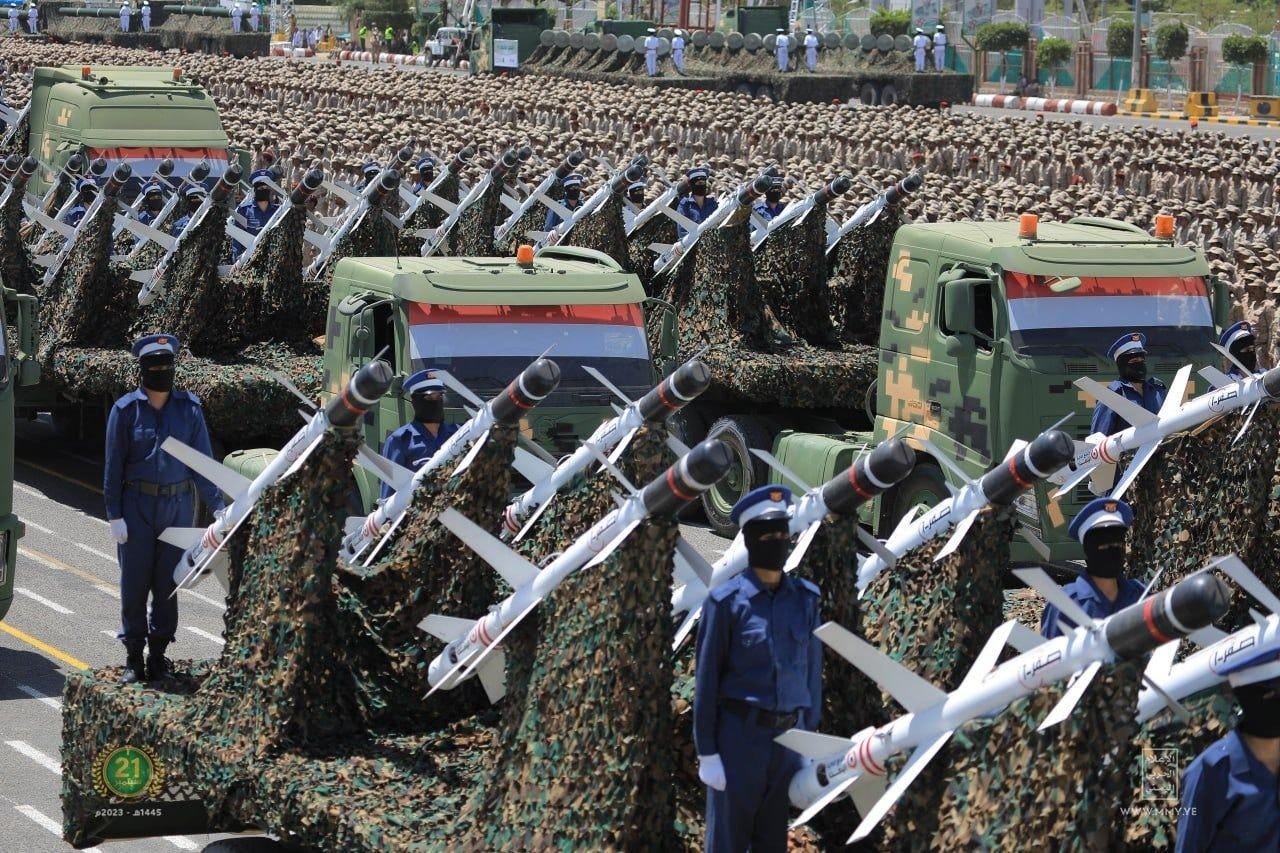
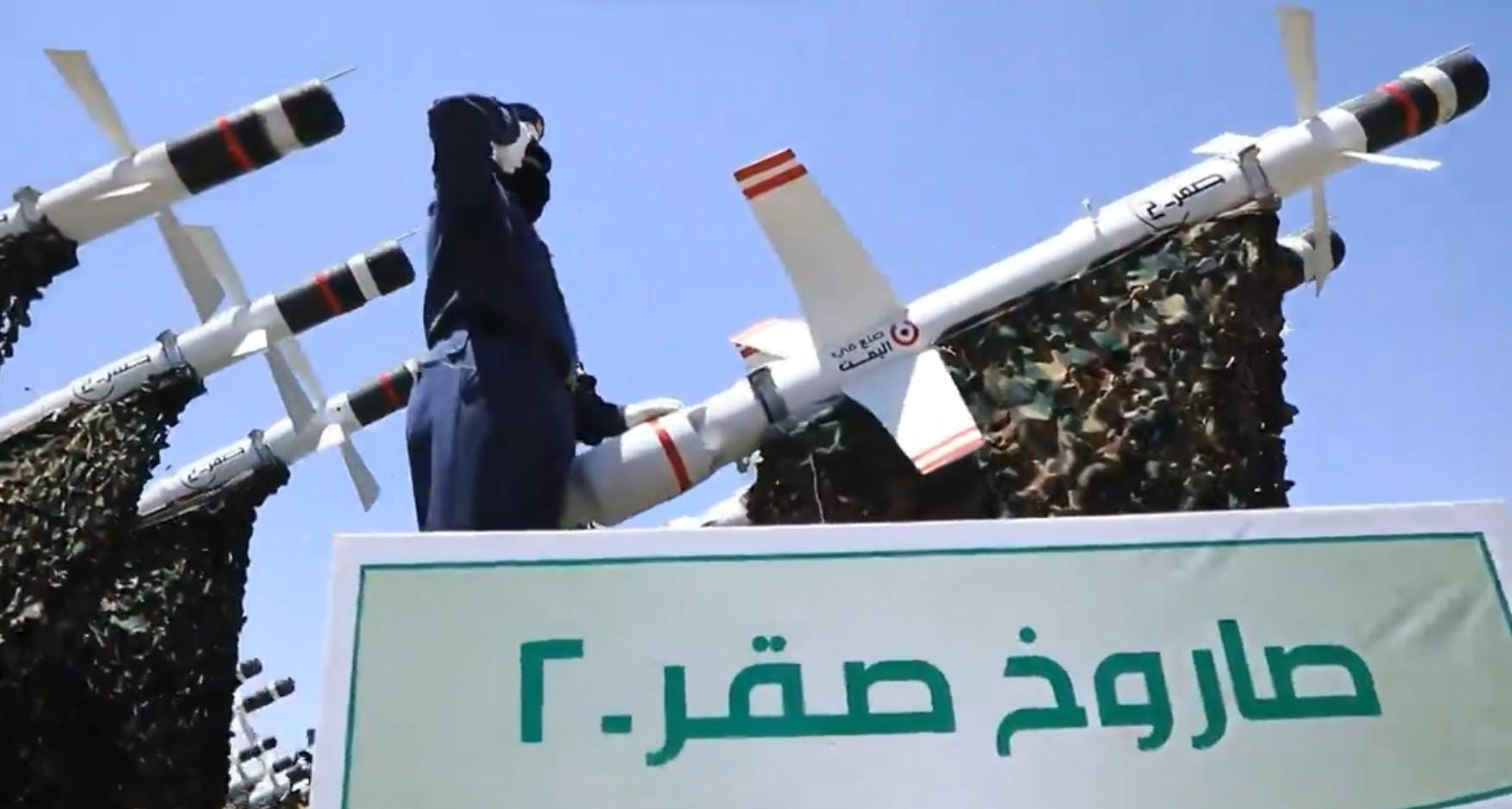
Saqr (”Hawk”)
Saqr-1 is based on Iran’s 358 surface-to-air loitering munition, with an expected range of 100–150 km.
Saqr-2, unveiled in 2023, is considered a more effective derivative of the 358 loitering SAM, with a range of 150 km, an altitude of 35,000 feet, a high-explosive warhead, and allegedly advanced technology to counter jamming and electronic warfare. The Saqr loitering SAM has allegedly shot down an American Scan Eagle UAV. Saqr missiles use a two-stage propulsion system combining a solid-fuel booster with a turbojet sustainer.
Surface-to-Surface (SS) Loitering Munition
Wa’aed (”Promising”)
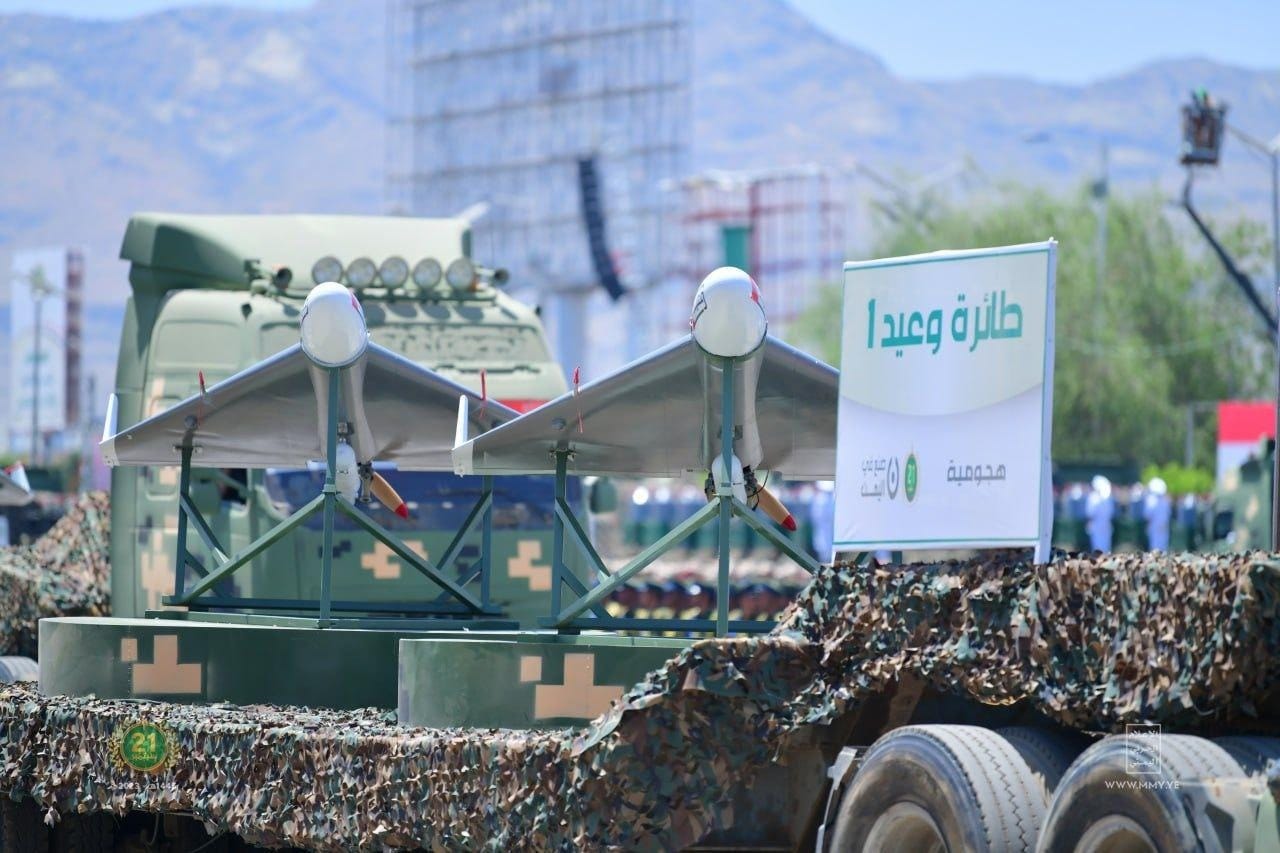
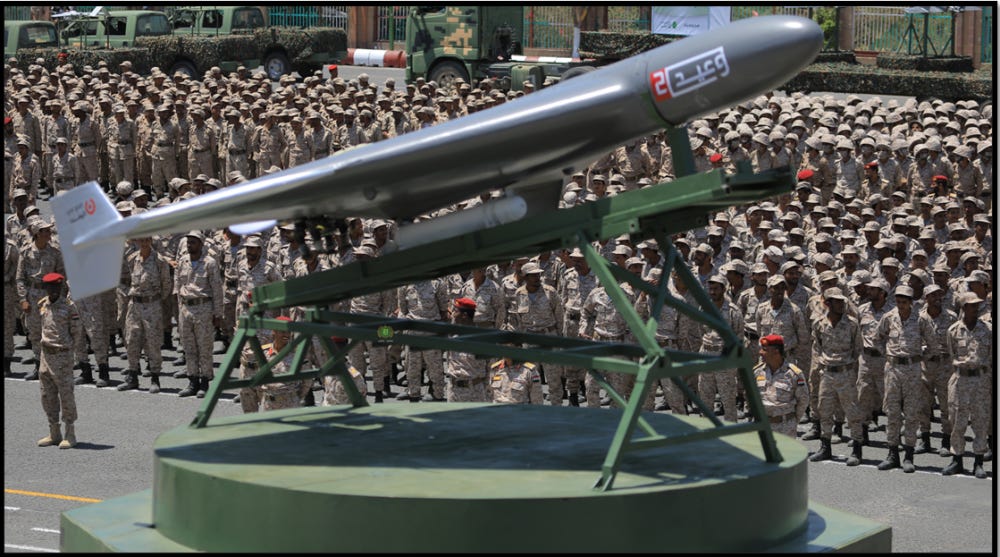
The Wa’aed is delta-wing loitering munition family, launched from a rail or a mounted box launcher, and using a rear-mounted pusher propeller.
Wa’aed-1 is a version of the Iranian Shahed-131, with a range close to 900 km and a warhead of approximately 20 kg of explosives.
Wa’aed-2 is a version of the Iranian Shahed-136, with a range of 2,000 km, an altitude of 50–4,000 m, and a 40 kg explosive warhead.
Wa’aed-3 is an advanced version of the Wa’aed-2, with an alleged range of 3,000 km. The Wa’aed loitering munition has allegedly been used against the Mercer Street, a Liberia-flagged vessel.
Qasef (”Bomber”)
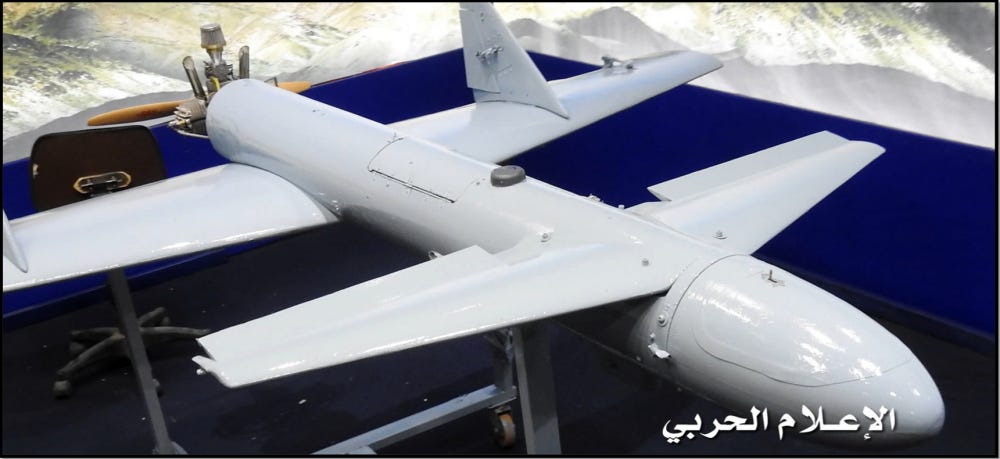
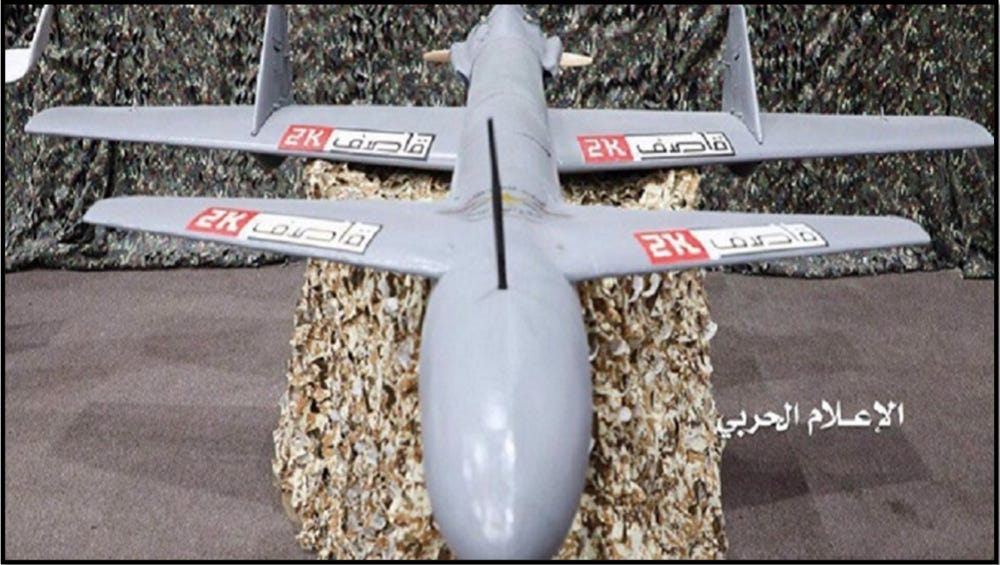
The Qasef loitering munition family has a fixed double-wing configuration and uses a rear-mounted pusher propeller.
Qasef-1 is based on the Iranian Ababil-T/Ababil-2T model, with a range of 200 km and a 30 kg explosive warhead.
Qasef-2K is also based on the Ababil-T/Ababil-2T, with a range of 200 km and a 30–45 kg explosive warhead; it is modified to detonate approximately 10–20 meters above the target. The Qasef-2K was allegedly used against the USS Harry Truman, on March 2025.
Samad (”The Eternal”)
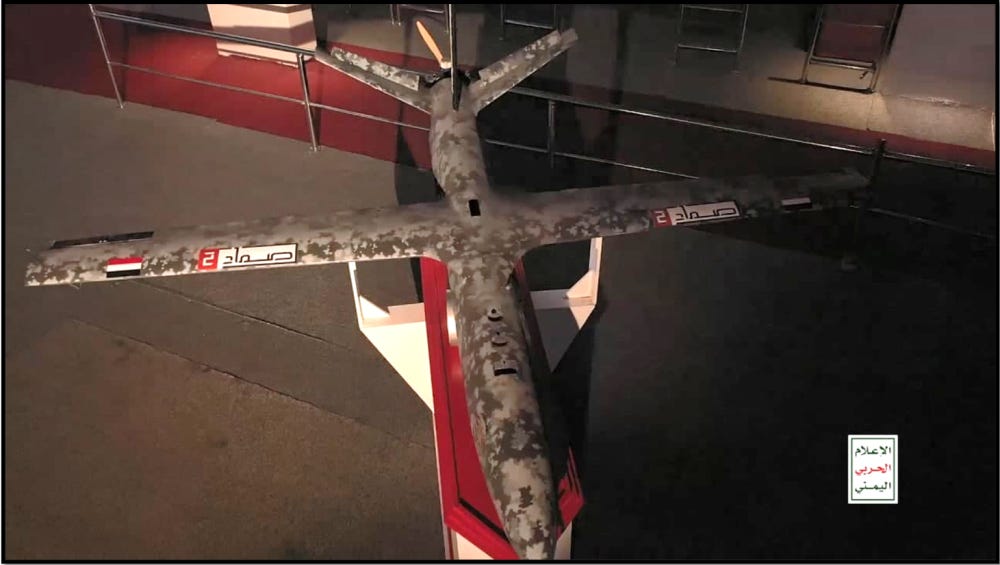
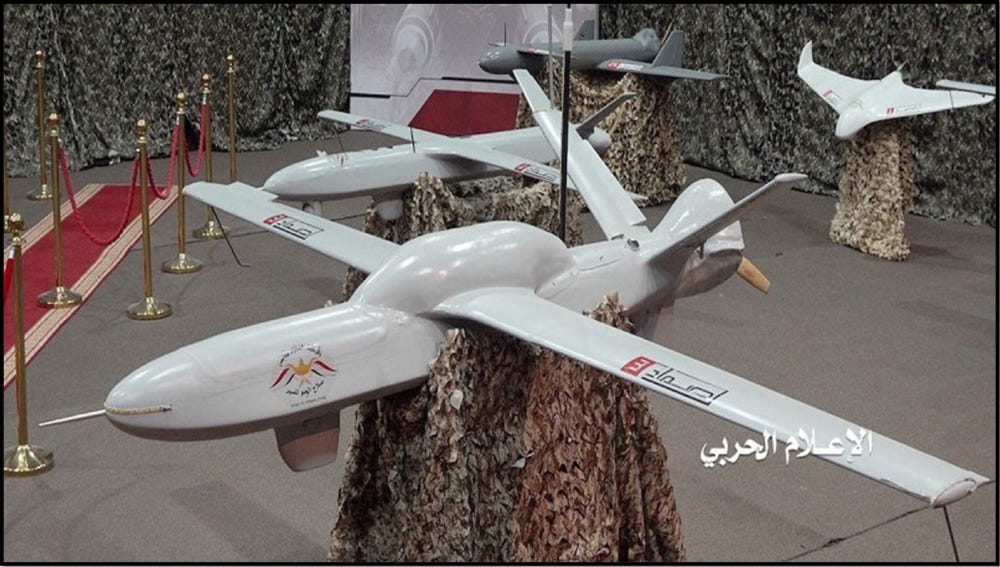
The Samad is a fixed-wing family of loitering munitions launched by rail or catapult, using a rear-mounted pusher propeller. The Samad loitering munitions bear a close resemblance to the Iranian Sayad (KAS-04) model, though some sources claim they are Iranian variants of the Shahed-123 and Shahed-129 UAVs.
Samad-2 was unveiled in 2019 and has a range of 1,500 km and a warhead of approximately 20 kg of explosives; it was used (classified as “UAV-X“ by the UN Panel of Experts) against Yemen’s Port Mocha Port on 9 August 2026. The Samad-2 can also conduct reconnaissance; its reconnaissance variant carries a camera, such as a Nikon D810 digital camera.
Samad-3 was unveiled in 2019 and has a range of 1,500–1,800 km and a warhead of approximately 20 kg of explosives. It has been documented in combat action, in a Houthi information-warfare footage, and during Houthis’ military drills.
Yafa or Samad 5
The Yafa (Palestinian city) is believed to be an upgraded variant of the Samad-3. It was used against Tel-Aviv in July 2024. Yafa’s features are considered most likely identical to those of the Samad-3, and it is believed to be coated with radar-absorbent materials (RAM), reducing its detectability.
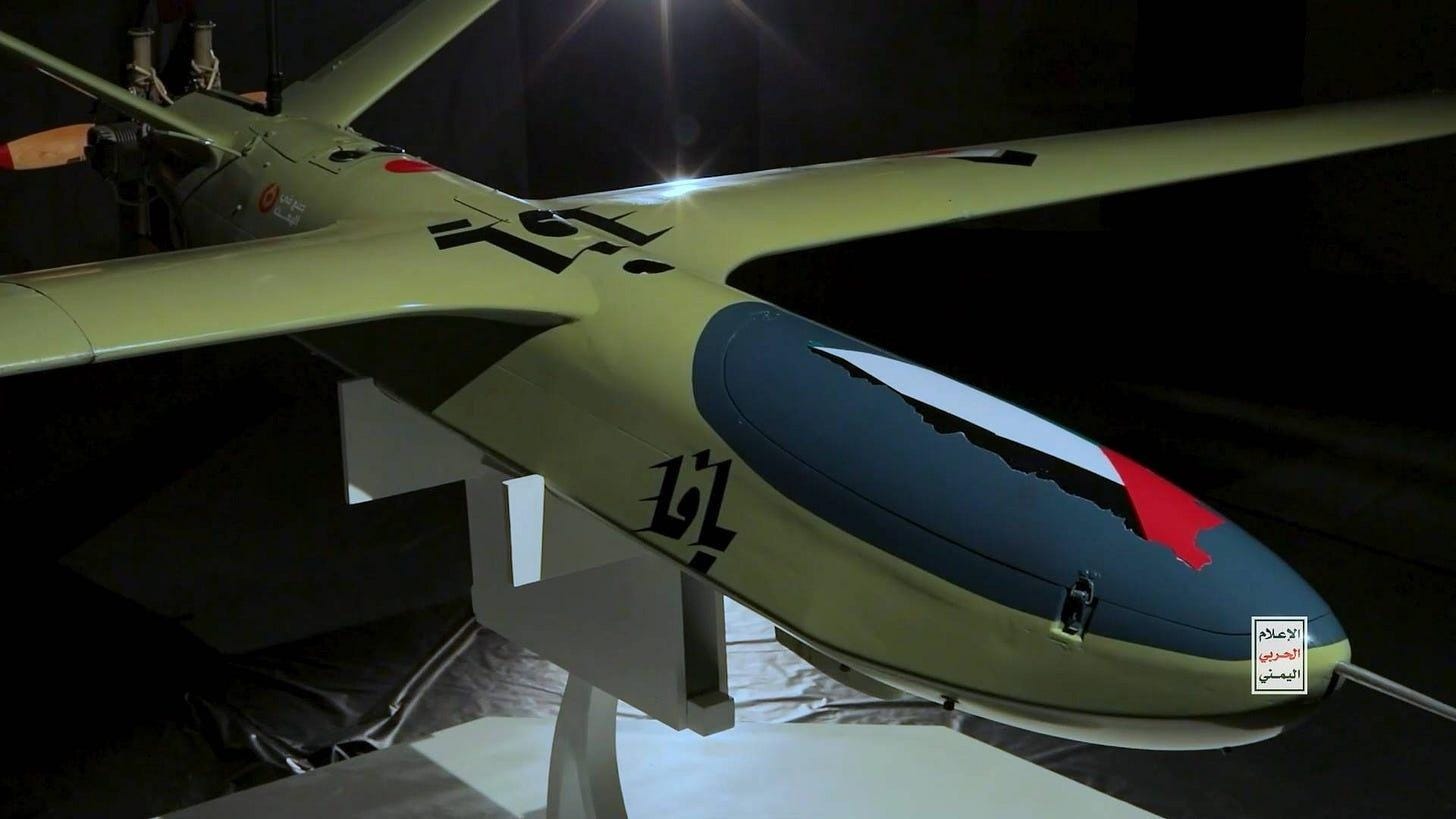
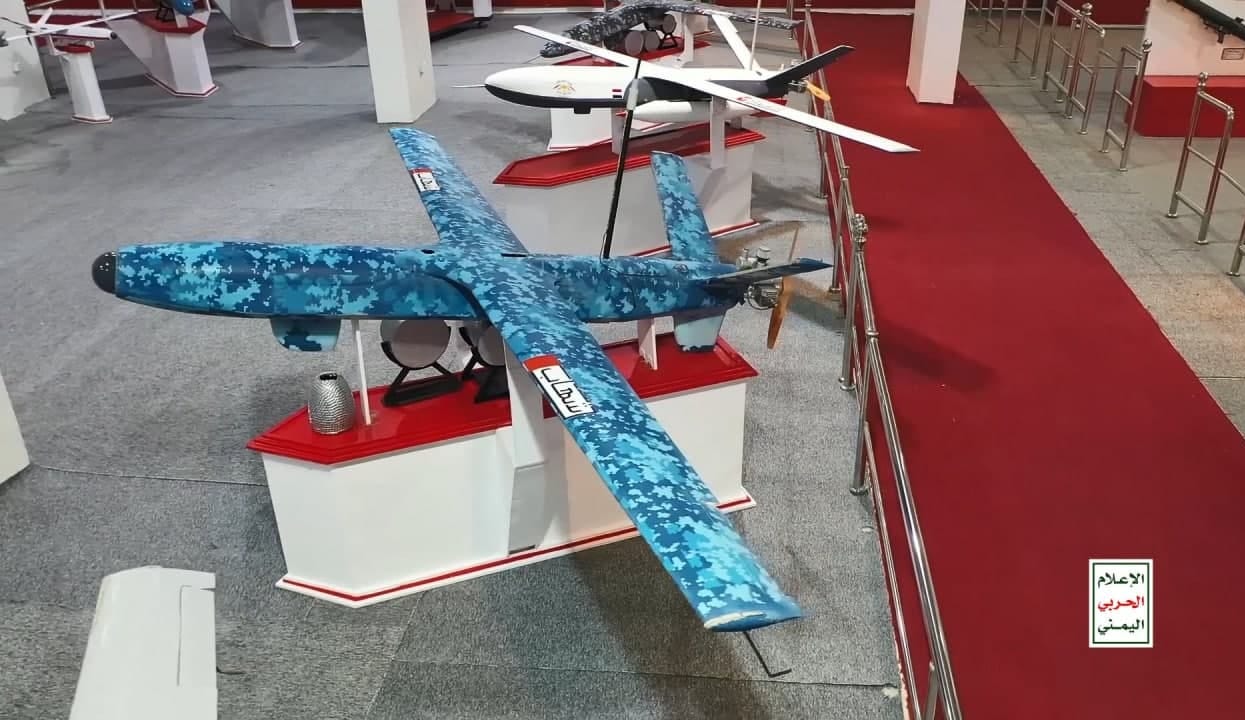
Shihab (”Meteor”)
The Shihab loitering munition is believed to be a Samad variant equipped with dual antennas, launched from a rail or catapult. It is allegedly fitted with an intelligent tracking system, has a range of 1,000 km, and carries a 50 kg dual fragmentation/penetrating warhead.
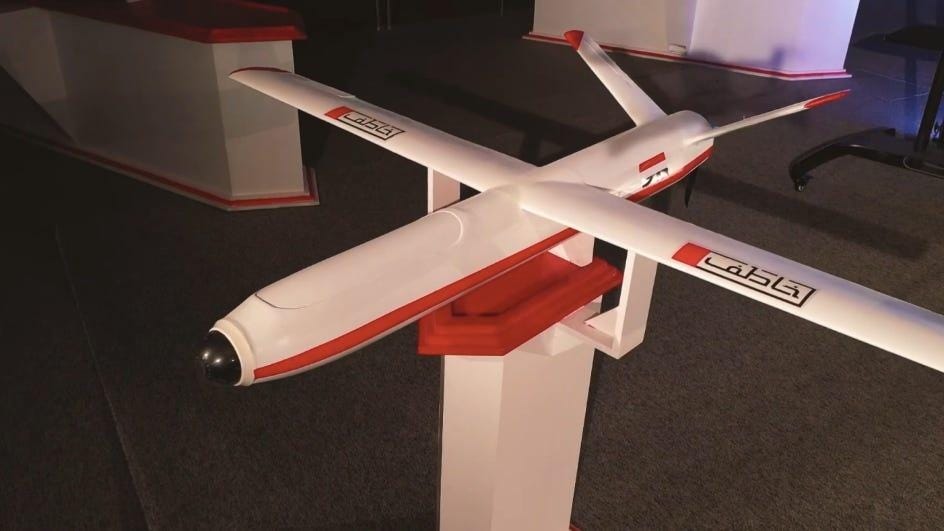
Khatif (”Snatcher”)
The Khatif family is a fixed-wing, short-range tactical loitering munition with a 25 km range, using a rear-mounted pusher propeller. Khatif-1 is believed to carry a 10 kg warhead, and Khatif-2 a 20 kg warhead.

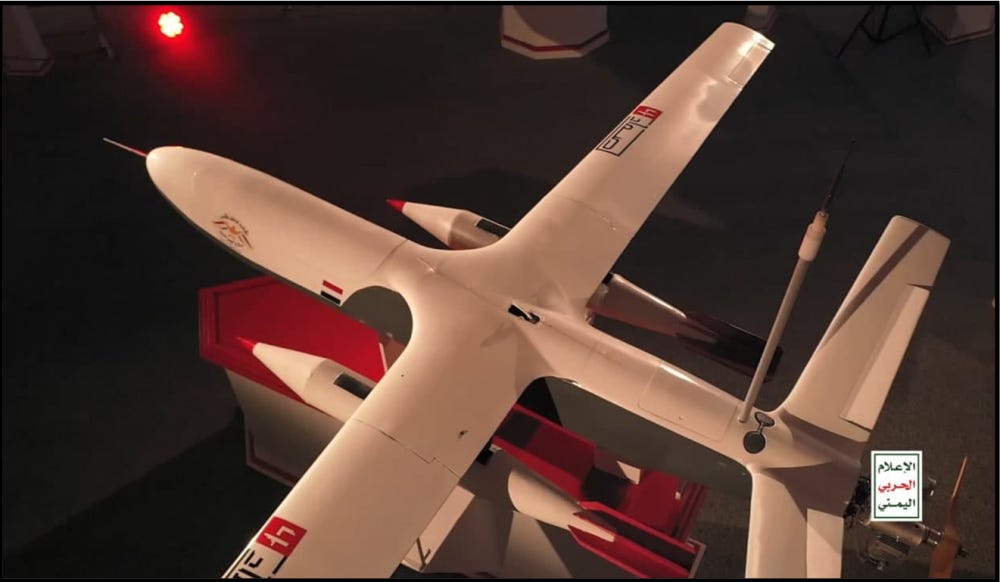
Unmanned Combat Aerial Vehicles (UCAV)
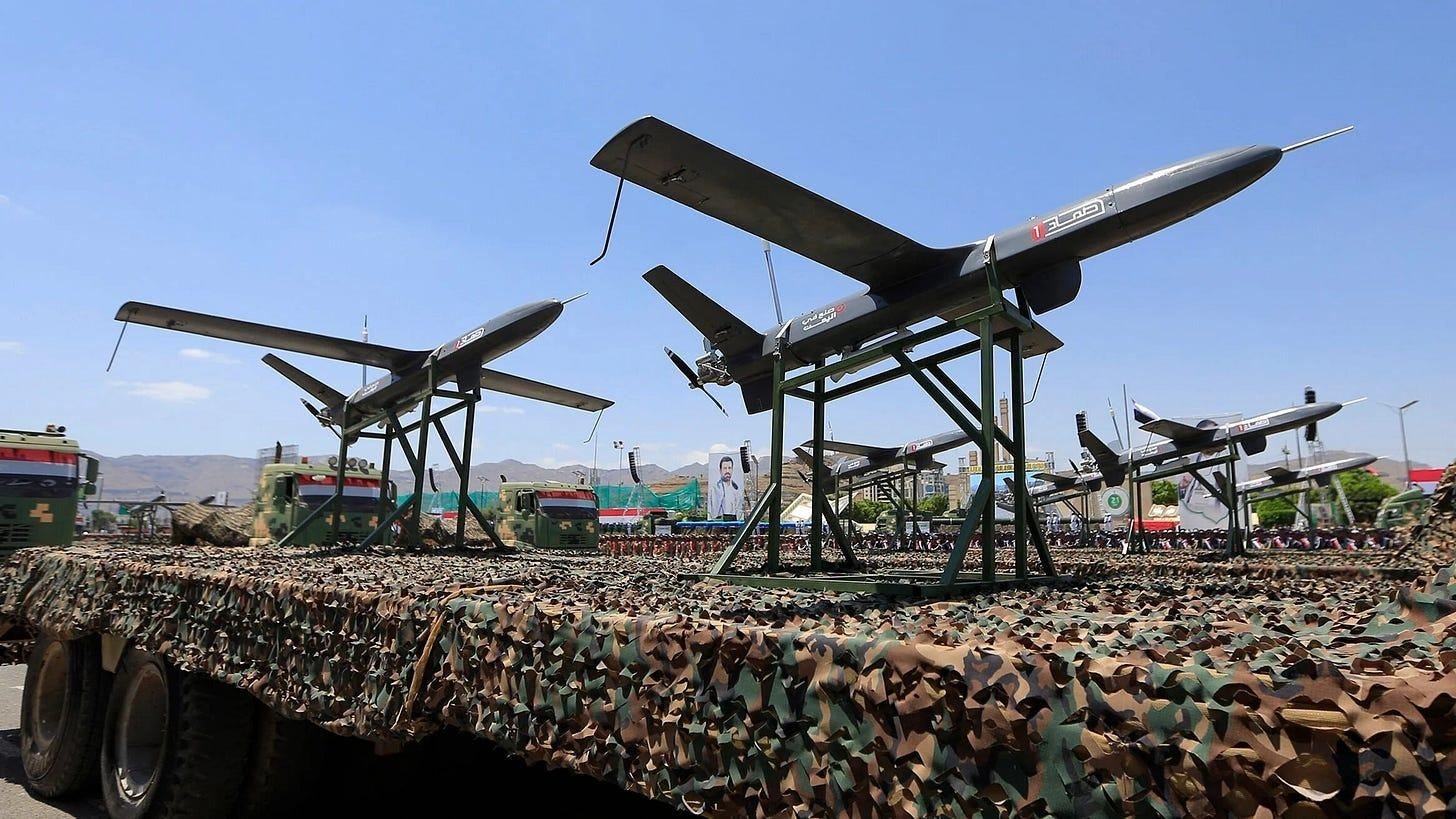
Samad-4 is a UCAV unveiled in 2021, with an alleged range of over 2,500 km, carries two warheads of 25 kg each, and using a rear-mounted pusher propeller. According to other sources its range is around 1000 km and can conduct strike and ISR operations. Samad-4 allegedly hit the Israeli port Eilat in 2024.
Rajum (”Projectiles”)
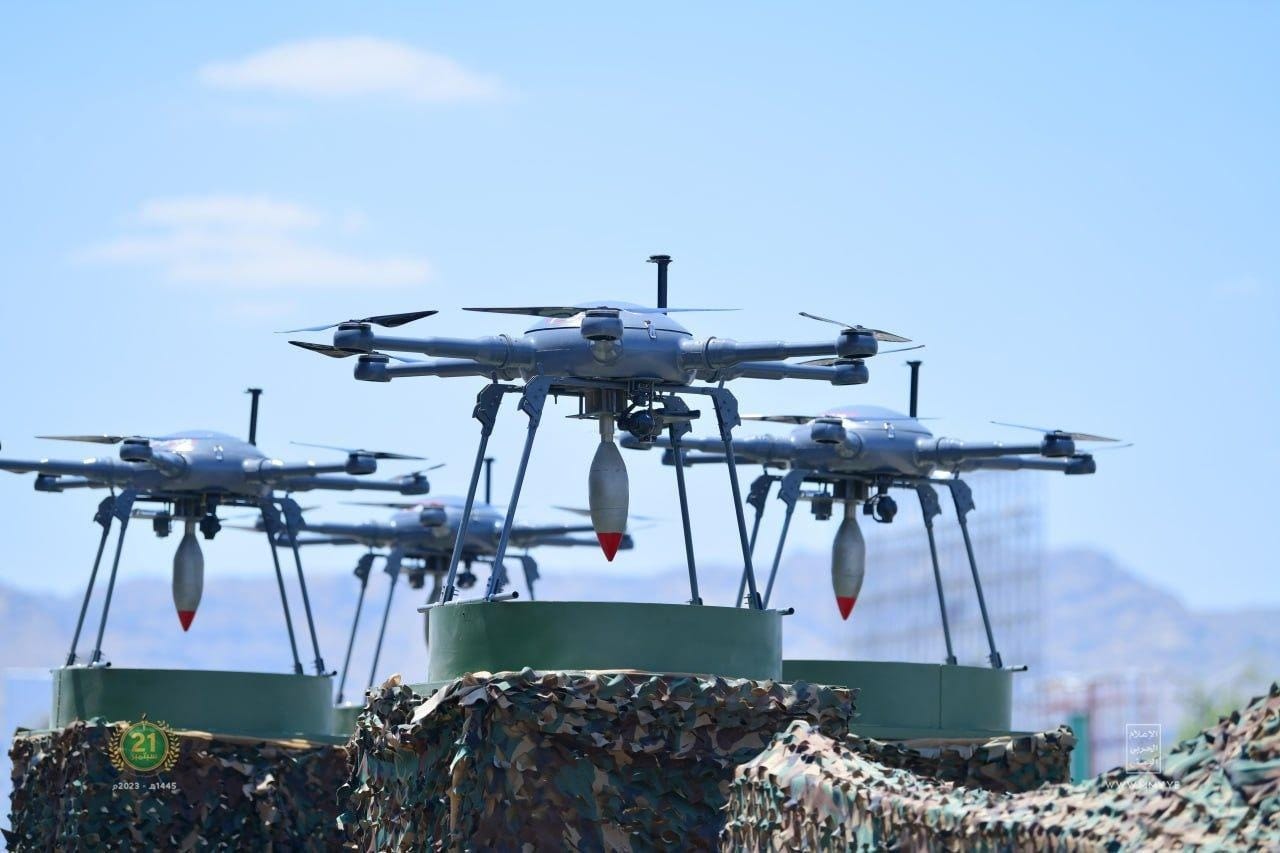
The Rajum is a Chinese, imported civilian hexacopter model (YD6-1000S) adapted for military use. It can serve as both an ISR and a UCAV drone, with a range of 10 to 30 km and a payload capacity of up to 40 kg. For ISR missions, it can be equipped with an electro-optical (EO) camera/gimbal payload. For strike missions, the most common munitions it carries are Soviet/Russian 60 mm and 82 mm mortar rounds and 120 mm (OF-843) rounds, as well as Iranian HM-16 bombs. It is allegedly equipped with GPS and has strong anti-jamming capabilities. Houthis released a video on August 30, 2026, where Rajum drones hit 25 targets, among them two tanks, in several areas such as Jawf, Ma’rib, Hajjah, Ta’izz, Dhale’, and the Saudi-Yemeni border near Jazan.
Intelligence, Surveillance, and Reconnaissance (ISR) UAVs
Samad-1
The Samad-1 is a fixed-wing ISR UAV with a range of 500 km, using a rear-mounted pusher propeller. It is allegedly equipped with an electro-optical camera pod for real-time video feed and target identification.
Mersad (”Observatory”)
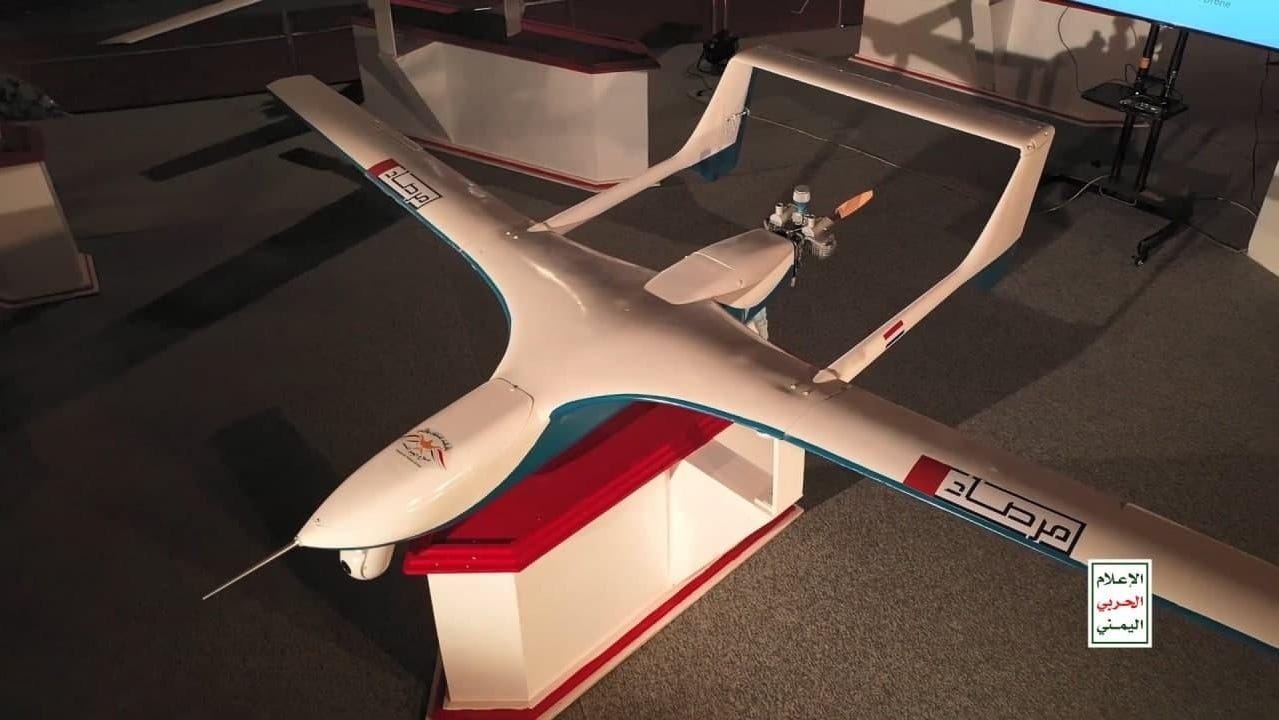
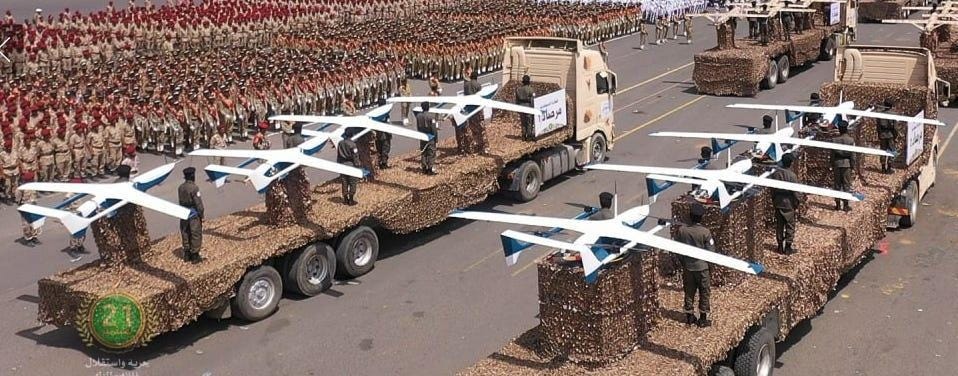
The Mersad is a fixed-wing ISR UAV family that shares many similarities with the U.S. RQ-21 Blackjack UAV and is believed to be an Iranian copy of the American drone. The Mersad’s range has not been officially disclosed but is potentially similar to that of the RQ-21 Blackjack, at around 93 km, with a flight endurance of 16 hours.
Mersad-1, unveiled in 2021, is launched from a rail or catapult and uses a rear-mounted pusher propeller.
Mersad-2, unveiled in 2022, is a VTOL (Vertical Take-Off and Landing) variant, using a combination of four vertical-lift rotors for take-off and landing and a rear pusher propeller for forward flight. It allegedly has an 8-hour flight endurance.
Raqeeb (”Sergeant”)
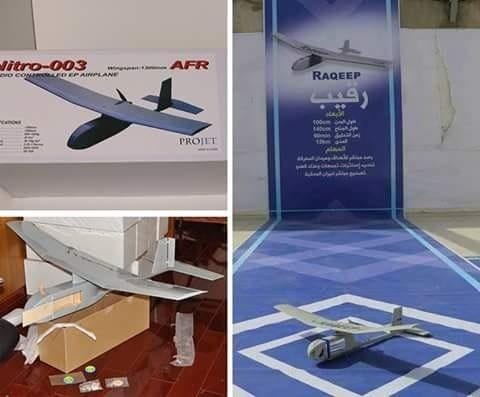
The Raqeeb is a small ISR UAV with a range of 15 km and a flight endurance of 98 minutes. It is a hand-launched/catapult-assisted UAV, equipped with a laser-based system for precise monitoring and tracking, and multiple imaging techniques including thermal imaging. It is a commercial drone, potentially a Nitroplanes Nitro 003 RQ-11 clone, modified for military purposes.
Rased (”Onlooker”)
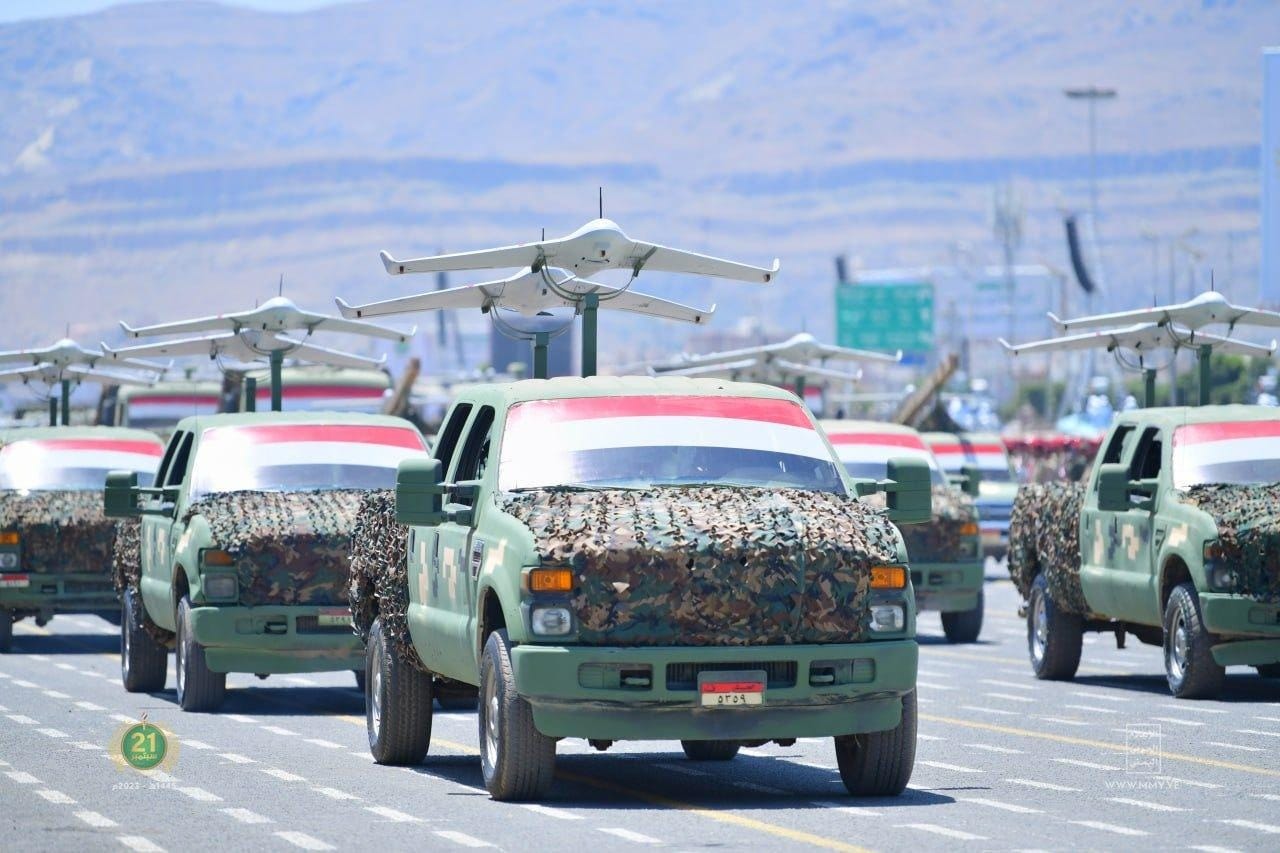
The Rased is a delta-wing ISR UAV, hand-launched or catapult-assisted, using a rear-mounted pusher propeller. It is identical to the civilian Chinese Skywalker X8 drone, with a range of 35 km and a flight endurance of 2 hours.
Nabaa (”Tidings”)
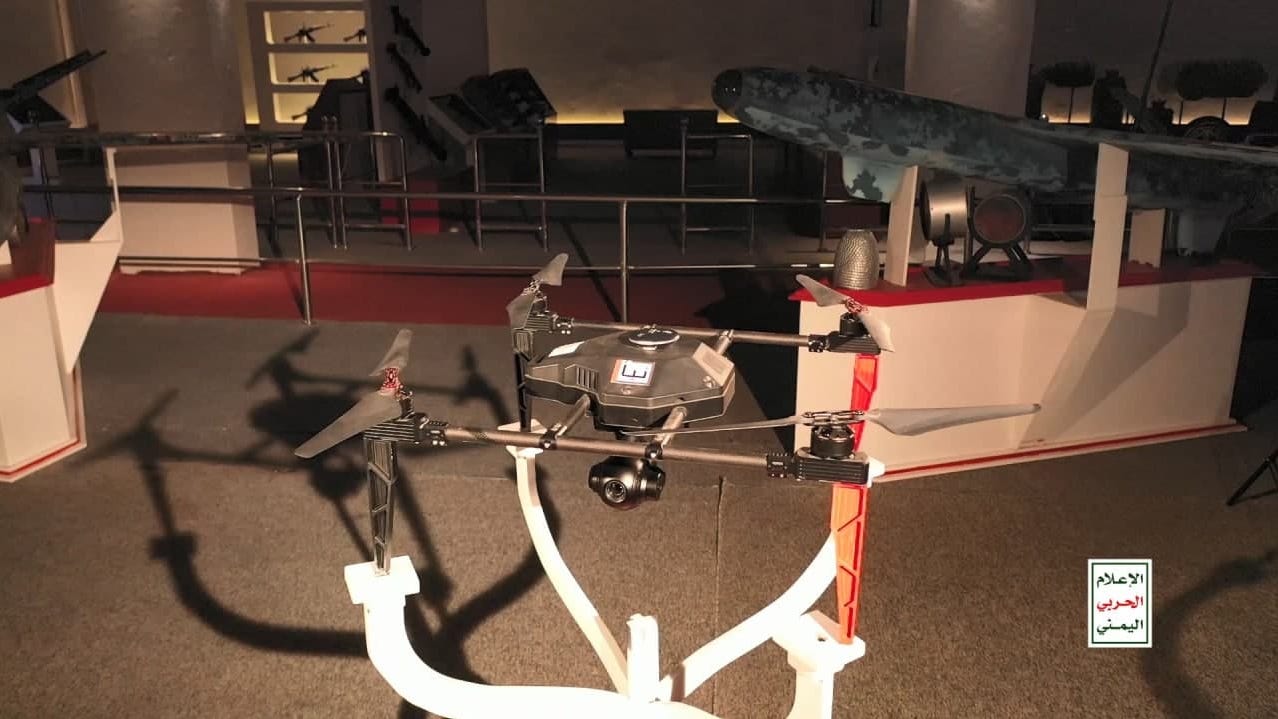
The Nabaa is a surveillance quadcopter based on a civilian model, like the Rajum, Rased, and Raqeeb, modified for use by Houthi armed forces. No further information is publicly available.
First-Person View (FPV)
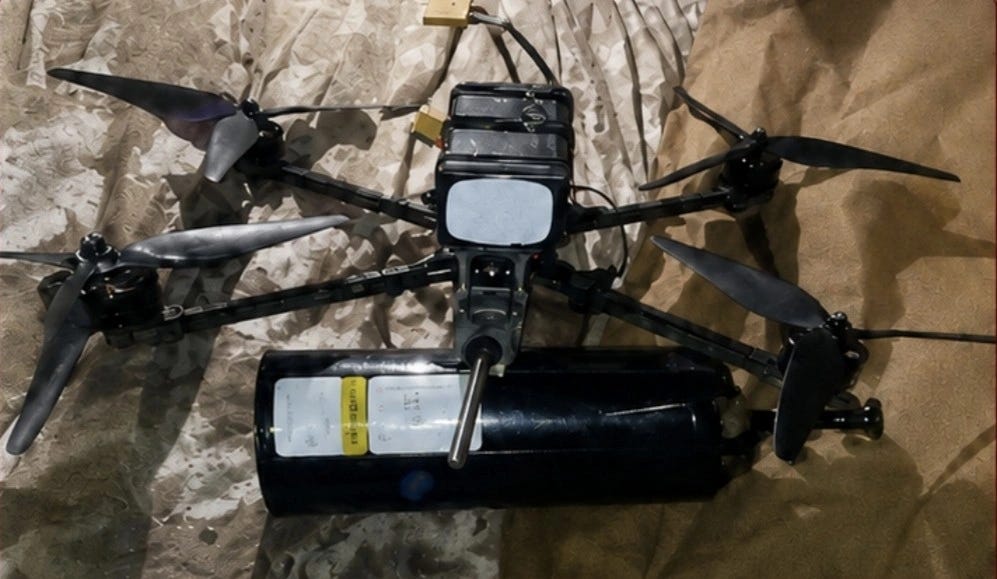
Although no FPV drones have been officially disclosed as part of the Houthi arsenal, intercepted arms shipments destined for the Houthis have included Fiber-optic equipment for FPV guidance. Moreover, on 13 August 2026, a Fiber-optic FPV was shot down in Marib by anti-Houthi forces, which claimed it belonged to the Houthis. According to some sources, the FPV type used by the Houthis includes DJI MAVIC3 drones. DJI MAVIC3 drone has a range of 30 km, and a 45 mins flight endurance. The DJI Mavic 3 has a range of 30 km and a flight endurance of 45 minutes. Regarding navigation, it features omnidirectional obstacle sensing, enabling autonomous obstacle avoidance in multiple directions, as well as standard GPS/GNSS positioning for stable hovering and autonomous flight modes.
Radars And Electro-Optical Sighting Systems
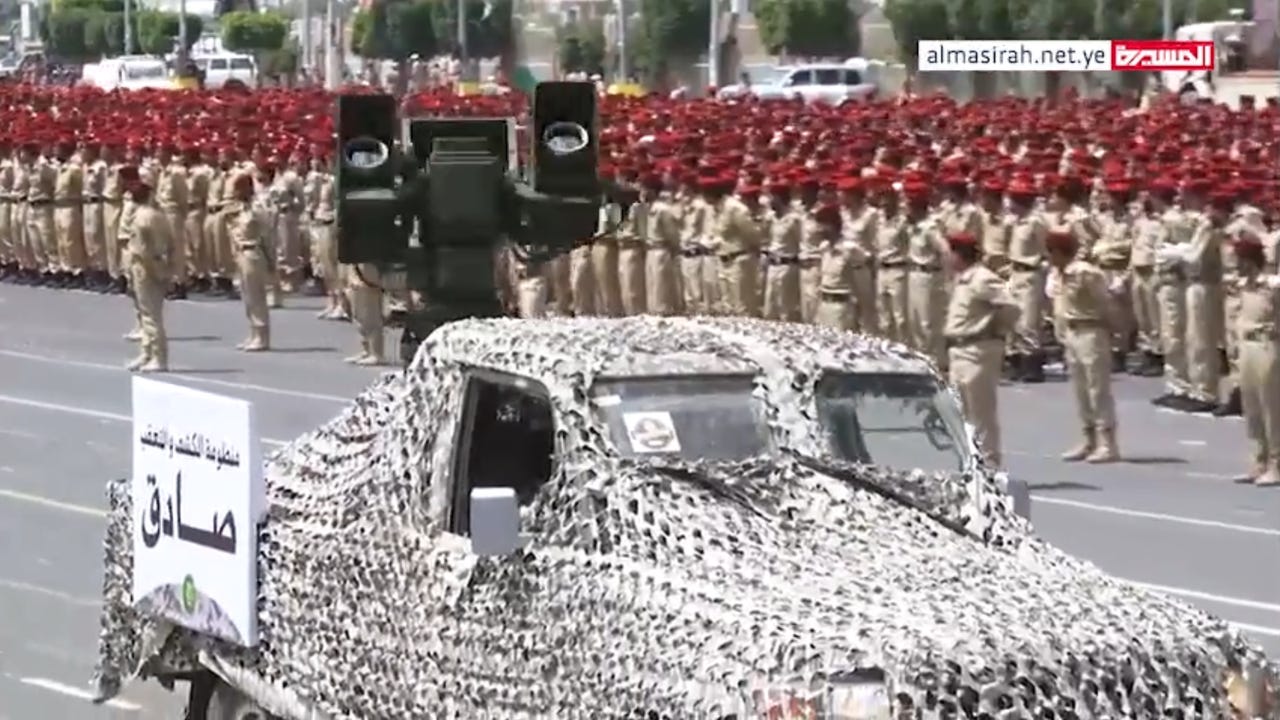
Sadiq (”Truthful “)
Sadiq is developed from Iran’s Sepehr-14 system. It can allegedly track up to 15 targets simultaneously, a notably capable multi-target tracking function for a system operating in this improvised, mobile context.
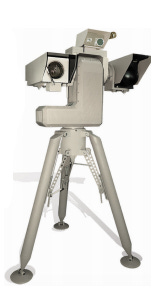
Safaq (”Twilight”) & Ufuq (”Horizon”)
Both are variants of the Iranian EOSS-I-103 electro-optical sighting system. Shafaq includes an integrated radar and is mounted in a distinctive L-shaped configuration. Ufuq is a radar-less (purely electro-optical/passive) version, capable of tracking targets over 90 km away and up to 35,000 feet in altitude — this passive-only design is consistent with the broader Houthi doctrine (established earlier) of minimizing active radar emissions to avoid detection and counterstrikes.
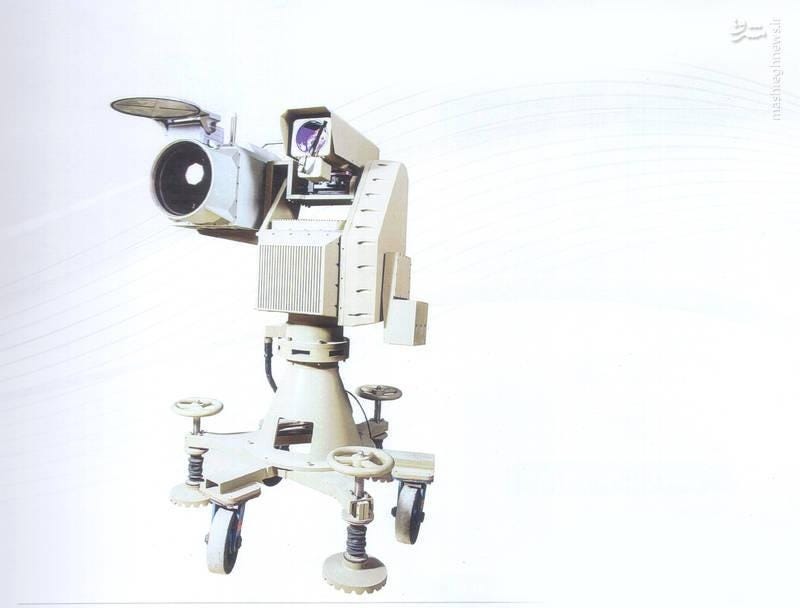
Sadaad 105
The Iranian Sadaad 105 EO/IR system is potentially part of Houthis arsenal. Six advanced EO/IR systems, seized in an intercepted shipment, destinated to Houthis, by Yemeni authorities on July 16, 2025. Those systems are believed to believed to be variants of Sadaad 105. The Sadaad 105 is an EO/IR system for round-the-clock operation in harsh weather conditions, with operating temperatures ranging from -30°C to +60°C. The Sadaad 105 features enhanced optics, including a visible camera with 120x zoom, offering detection of humans at 13 km and vehicles at up to 24 km. Both systems boast high-precision targeting with a directional accuracy margin of just 0.003 degrees and can track moving targets, making them valuable assets for integrated air defence and reconnaissance operations.
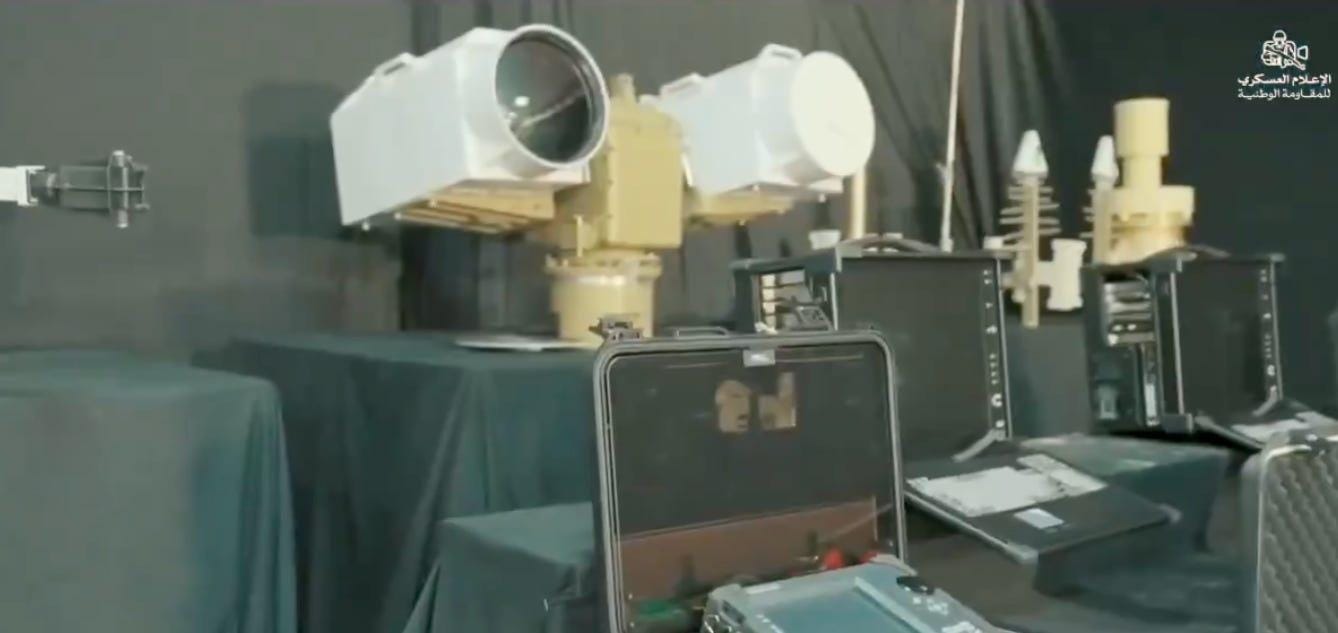
Naba’ (”News”)
Naba’ is a combined radar and optical tracking system, capable of locking onto four targets simultaneously and guiding both radar-seeking and infrared-seeking missiles, with multi-band anti-jamming capabilities. No other information/pictures are publicly disclosed.
