


In Summary:
A Code of Conduct matters but only if it aims to shape behaviour. For Manila, the agreement must protect UNCLOS, the 2016 arbitral award and freedom of navigation.
ASEAN’s divisions give China room to manoeuvre. Different threat perceptions and economic interests make consensus difficult, while unresolved questions over the COC’s scope and legal force complicate negotiations further.
The Philippines is pursuing a layered strategy. Manila uses ASEAN to keep negotiations alive while turning to minilateral partnerships and other diplomatic forums to reinforce its position when consensus falls short.
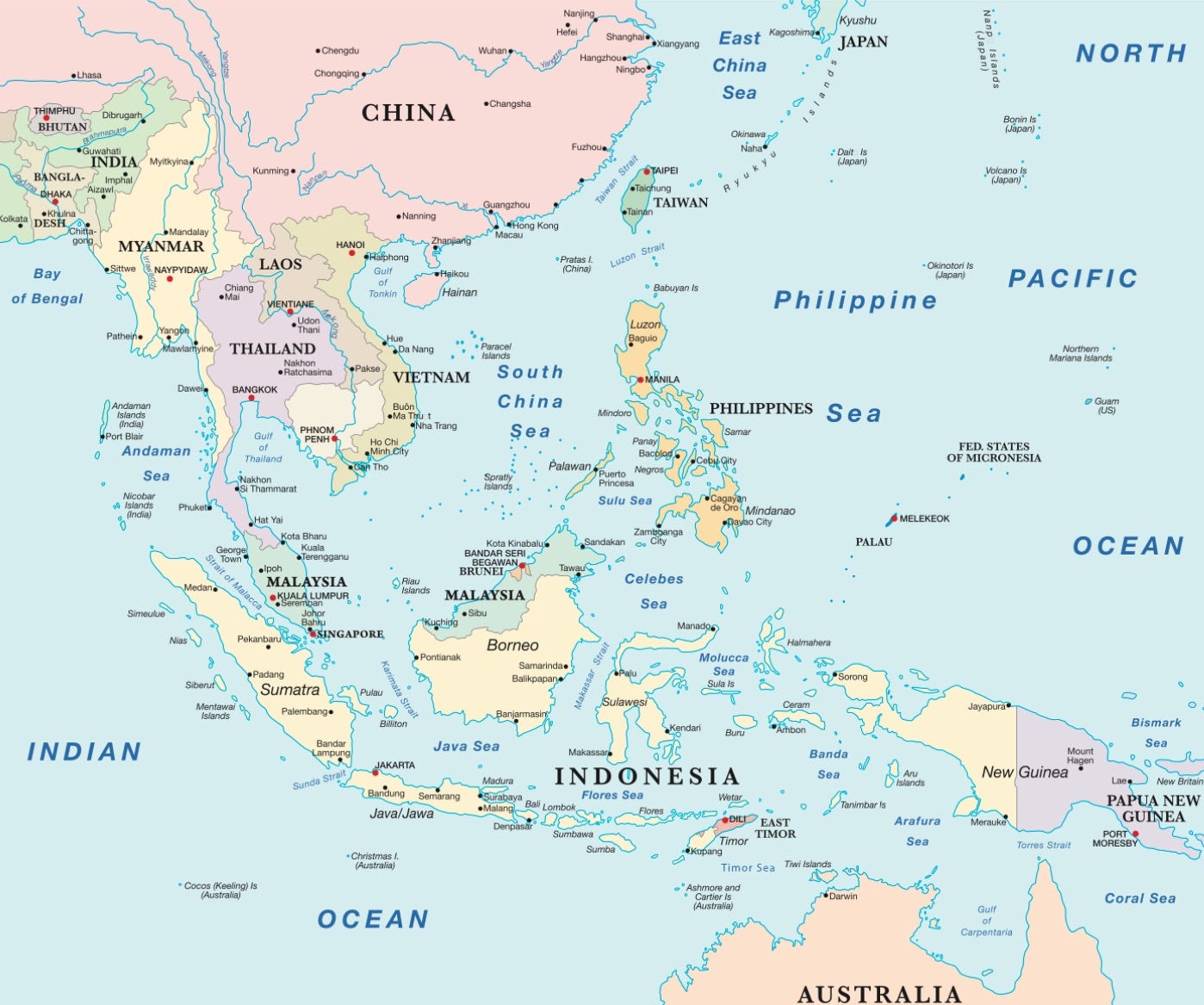
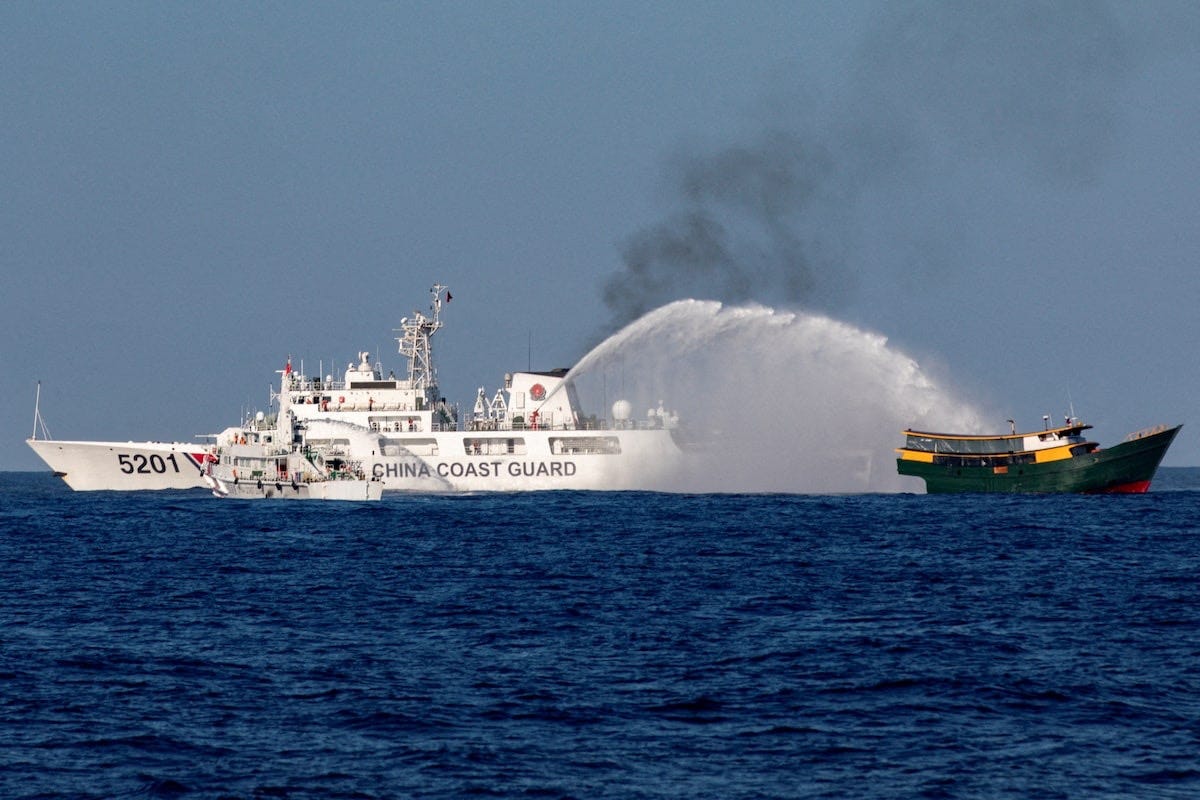
The South China Sea (SCS) has long tested ASEAN’s ability to speak as one collective. Now, the Philippines finds itself at the epicentre of that test. As ASEAN Chair, Manila has prioritized negotiations on the long-awaited Code of Conduct for the South China Sea, while navigating varying member state interests. Yet negotiations continue against a backdrop of increasingly assertive Chinese behaviour. Recent confrontations near Scarborough Shoal and Second Thomas Shoal, including the use of water cannons against Philippine vessels, have underscored the gap between ASEAN’s pursuit of a regional framework and the realities unfolding at sea. With 2026 marking the tenth anniversary of the 2016 arbitral ruling, this chairmanship opportunity is significant. Though much has been written about the Philippines’ position on the South China Sea, less attention has been paid to how it navigates ASEAN’s internal divisions and what this may mean for ASEAN’s future. How, then, does the Philippines pursue the Code of Conduct amidst ASEAN members’ conflicting views?
INTRO TO THE SCS CODE OF CONDUCT
The SCS Code of Conduct attempts to simplify a difficult relationship. It is meant to be a framework for guiding state behaviour and encouraging maritime cooperation. Its roots go back to ASEAN’s 1992 expression of concern over the disputes and the 2002 Declaration on the Conduct of Parties, which called for self-restraint but remained non-binding. The COC is mainly negotiated and prepared by the ASEAN-China Joint Working Group on the Implementation of the Declaration on the Conduct of Parties in the South China Sea, which is co-chaired by China and an ASEAN country coordinator. However, the chairmanship presents the opportunity for Manila to keep the COC in the conversation through dialogues and confidence building measures to improve inter-regional relationships. Formal COC draft consultations began in 2013, and the second of three readings was completed in 2023. Questions over whether the COC will be legally binding, where it will apply, and how it relates to the earlier declaration remain unresolved.
ITS IMPORTANCE FOR THE PHILIPPINES
For the Philippines, the Code of Conduct matters because the South China Sea is where questions of sovereignty, livelihoods, and security converge. As Mark Salvador Ysla of Far Eastern University of the Philippines puts it, “the South China Sea has become the organizing issue of Philippine foreign relations, bringing together territorial integrity, sovereign rights, and the livelihood and safety of Filipino fishers”.
This is why the COC presents both an opportunity and a risk for Manila. A meaningful agreement could place practical limits on coercive actions. But, as Mr. Ysla warns, its value depends “less on whether a document is signed than on what the document actually says and how it is implemented”. For the Philippines, that distinction is crucial. Manila’s position is anchored in UNCLOS and the 2016 arbitral award. The challenge is securing an agreement that protects Philippine and ASEAN rights while reducing the possibility of confrontation with a much more powerful neighbour.
From a diplomatic perspective, the pursuit for a COC is about protecting its rights while keeping negotiations open. In a conversation with the Embassy of the Philippines in the Netherlands, it said that, “being the chair of ASEAN, provides multiple avenues to articulate its positions, not only regionally but also globally”. The Embassy also stressed that Manila seeks a “binding agreement, particularly one grounded in the principles of the 2016 arbitral award, UNCLOS, and international law”. When asked what Manila hopes to gain from the COC and ASEAN-China relations, the Embassy stated, “The Philippines wants the [ASEAN] community to preserve the South China Sea as a vital sea lane, a zone of peace, where freedom of navigation is guaranteed, with no exclusive ownership by any particular state beyond the maritime entitlements recognized by UNCLOS”.
CHALLENGES OF THE COC
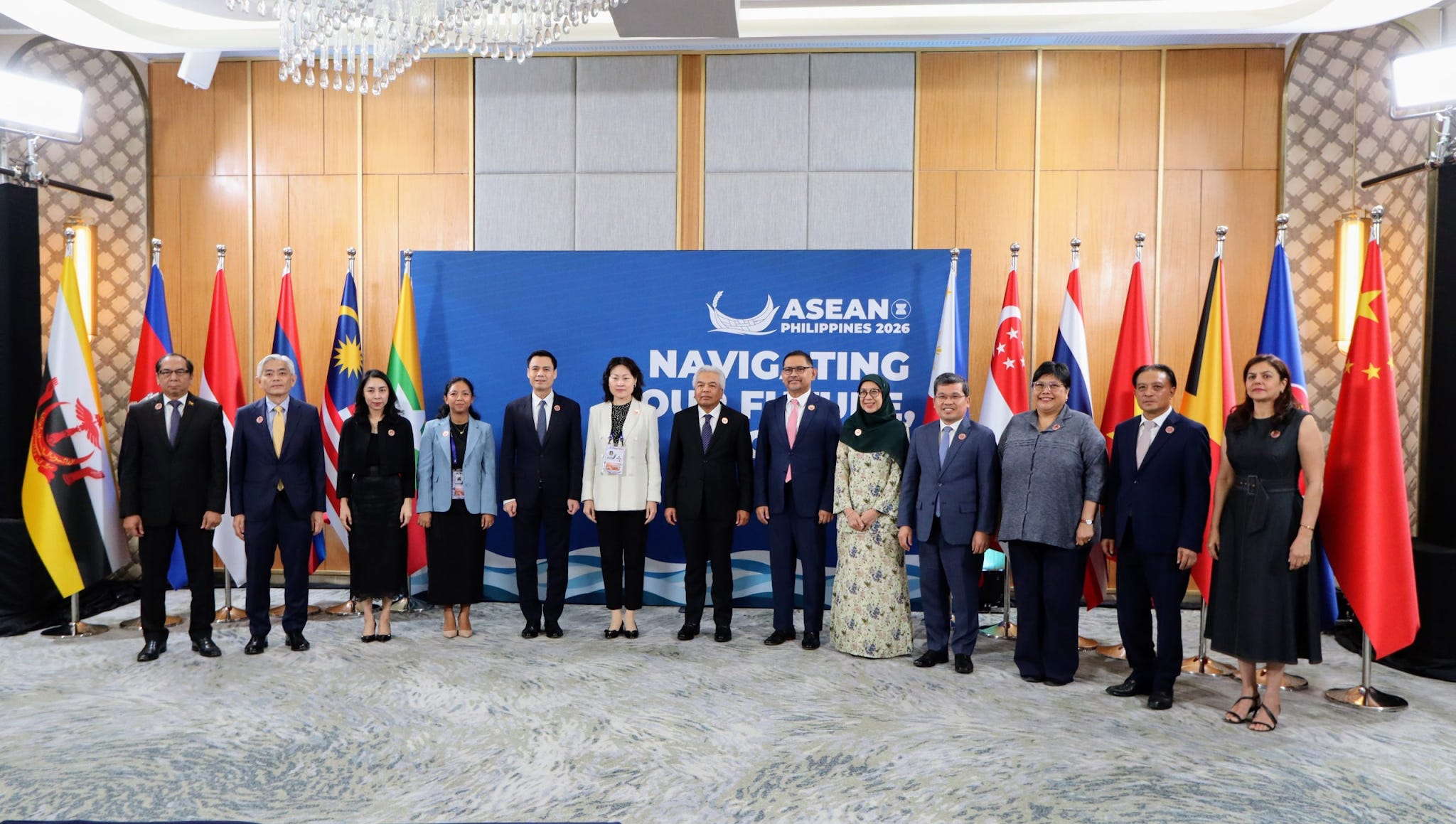
A complication for the COC is that various ASEAN members have different stakes in what an agreement would cost them. UNSW Emeritus Professor Carlyle Thayer describes ASEAN views on the South China Sea as divided among “claimant states, non-claimant maritime states, and mainland states.” For the Philippines and Vietnam, Chinese maritime pressure is immediate; for non-claimants, the priority may be regional stability; for mainland states, the dispute is more distant and economic ties with China can weigh more heavily. As Thayer explains, “ASEAN can agree that international law matters, but members differ on what they are prepared to say or do when the law is basically violated.”
That difference gives China room to manoeuvre. Thayer argues that Beijing can “exploit differences within ASEAN, particularly when individual states are reluctant to support language they view as too confrontational”. The 2012 failure to issue an ASEAN joint communiqué after Cambodia objected to South China Sea language remains a warning that one member’s reluctance can prevent ASEAN from speaking collectively.
Even if ASEAN clears that hurdle, agreement with China presents another. Thayer identifies unresolved questions over the COC’s “geographic scope, international treaty legal status, conduct of military exercises with countries from outside the region, [and] the role and responsibilities of third state parties.” The challenge is finding a strong document that can change behaviour without making agreements impossible to reach.
A final complication is that the COC is being negotiated while the conditions it is supposed to manage continue to deteriorate. Maritime confrontations between the Philippines and China have persisted, including clashes around Second Thomas Shoal, even as ASEAN and China continue to pursue an effective agreement. ASEAN is trying to build consensus slowly while events at sea move quickly. As Thayer observes, “the core challenge is translating shared principles into specific obligations.”
MINILATERALISM TO COOPERATION
The ASEAN divisions have not prevented the Philippines from building partnerships beyond the regional framework. As the Philippine Embassy in the Netherlands explained, “Manila welcomes small groupings that are aligned with [our] interests. The principle is to identify and develop alliances with like-minded states.”
Yet the Philippines’ approach also uses ASEAN’s own architecture to keep its position visible, and its members engaged. The Embassy noted that being ASEAN Chair provides multiple avenues to articulate Philippine interests, from ASEAN-China dialogues to the ASEAN Regional Forum. According to the Embassy, “Through these forums, we amplify the Philippines’ position, allowing its concerns to be heard not only by ASEAN members but by wider Indo-Pacific partners”. As the Embassy put it, “these mechanisms are important because they keep ASEAN members engaged and keep the conversation going.” Even without a binding COC, therefore, diplomacy keeps the issue from becoming dormant.
Furthermore, minilateral partnerships broaden the Philippines’ diplomatic options without displacing ASEAN as the forum for COC negotiations. As the Foreign Service Institute on the Philippines notes, such partnerships allow middle powers to “enhance their influence, preserve strategic autonomy, and pursue flexible cooperation with like-minded states.” The Philippines therefore continues to engage China even as it strengthens these relationships. As the Embassy said, “despite escalating tensions, Manila remains willing to come to the negotiating table and talk to them and see eye to eye.” ASEAN provides the collective negotiating framework, while smaller groupings reinforce the principles that Manila considers necessary beyond the negotiating table.
The setting of this Code of Conduct reveals an underlying vulnerability of ASEAN but also provides an avenue to move one step forward in addressing it. Professor Thayer describes the COC as a “litmus test for ASEAN community-building”. The process’ value lies in whether ASEAN can keep its members engaged to shape regional rules together. Manila’s strategy has therefore been one of layering. This is where ASEAN may be used to build a regional framework, while using minilateral partnerships and national capabilities to achieve what consensus cannot immediately offer. The COC should not be treated as a finish line. Dr. Thayer argues that the “journey is more important than the destination because negotiations themselves provide opportunities to manage immediate tensions and keep China engaged”.
In a broader sense, the Philippines’ approach, and the ASEAN way itself, offers a lesson for institutions like the European Union as they navigate divisions over external powers such as Russia. When faced with geopolitical conflict, it is tempting to measure diplomacy by what it produces whether it be a joint security policy or a definitive agreement on trade regulations. Yet the ASEAN experience suggests that there is also value in states returning to discuss difficult questions even when their interests diverge. For international institutions, persistence for consensus and the collective good may be its own form of power. The process matters not only because it can eventually produce an agreement, but because continued engagement keeps open the possibility of one.
